
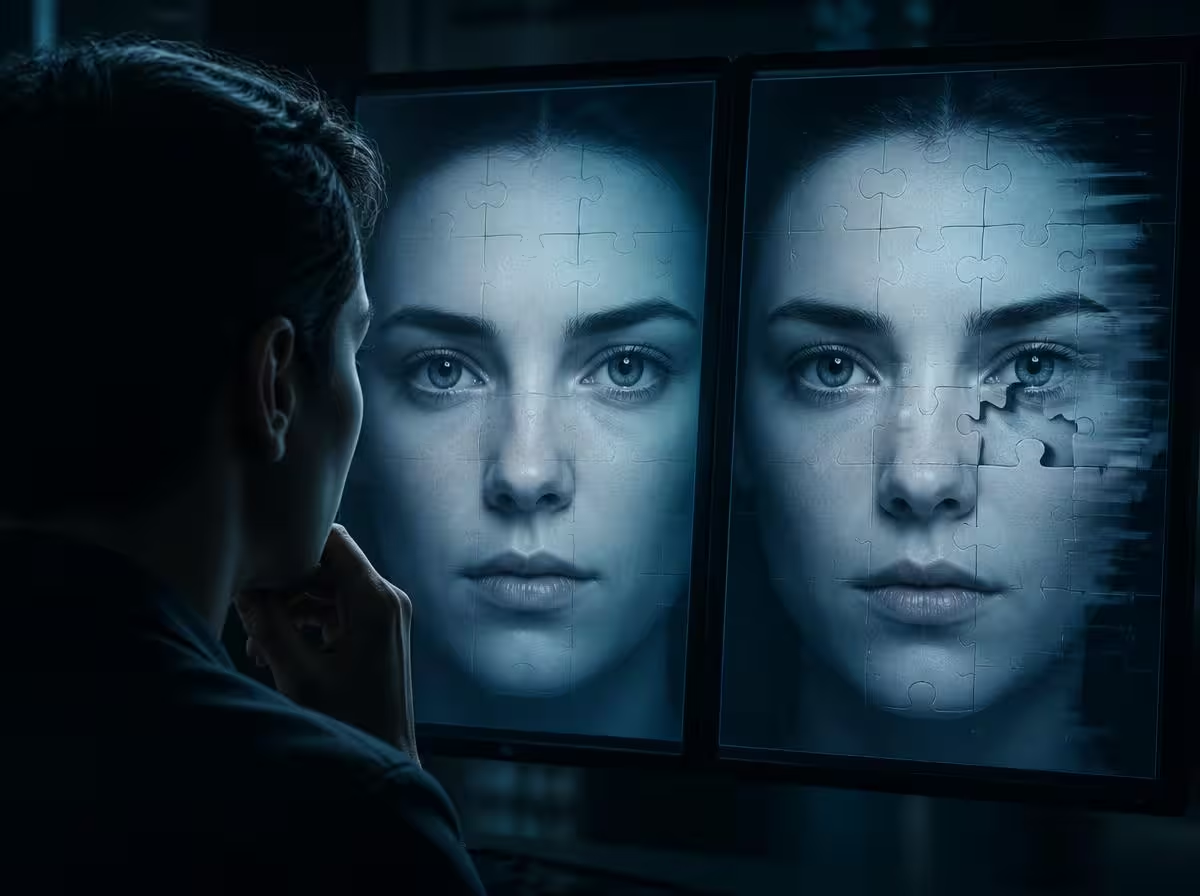
There was a time when video evidence was incontrovertible proof. If you watched a public figure deliver a controversial statement on camera or heard a family member make an emergency phone call, your senses told you it happened. In 2026, that era of unquestioned visual trust is definitively over. Learning how to spot deepfakes has evolved from a niche digital forensics topic into an essential survival skill for every internet user.
Deepfakes—synthetic videos, images, or audio clips created using deep neural networks—have migrated from research labs and amateur internet forums straight into high-stakes corporate fraud, political manipulation, and everyday consumer extortion. From fabricated CEO video conferences authorizing multi-million-dollar wire transfers to fraudulent TikTok clips masquerading as breaking news, generative media has become frighteningly accessible.
While voice-based fraud is skyrocketing as seen in our companion investigation on AI voice cloning scams, audiovisual deepfakes remain the most dangerous vector because our brains are hardwired to believe what our eyes see. Fortunately, even advanced generative models leave subtle physical, acoustic, and mathematical fingerprints. This comprehensive forensic guide teaches you how to catch them.
The Mechanics: How Neural Networks Fabricate Reality
To identify synthetic media, it helps to understand how it is assembled under the hood. Most video deepfakes rely on generative adversarial networks (GANs) or latent diffusion autoencoders. The model is trained on thousands of source photographs and video frames of a target face, learning the precise 3D geometry of cheekbones, eye sockets, mouth movements, and skin pigmentation.
Once trained, the algorithm replaces the original actor’s face in a destination video, warping and blending the synthetic face across every frame to match head orientation and facial expressions. In audio generation, neural vocoders analyze vocal resonance, timbre, and cadence, generating synthetic phonemes that replicate the target speaker. For a broader foundational perspective on these architectures, check out our breakdown of Generative AI vs. Traditional AI.
However, generating realistic human biology requires simulating complex physics: involuntary micro-expressions, subsurface light scattering through epidermal tissue, and natural acoustic respiration. This is precisely where algorithms stumble.
5 Visual Red Flags to Spot in Video Deepfakes
When analyzing a suspicious video on social media or in an email, inspect these five distinct physical markers:
- 1. Unnatural Blinking Patterns: Humans blink spontaneously every 2 to 10 seconds. In many synthetic videos, the subject either blinks unnaturally fast, displays stiff robotic blinks, or does not blink at all because training datasets predominantly consist of open-eyed photographs.
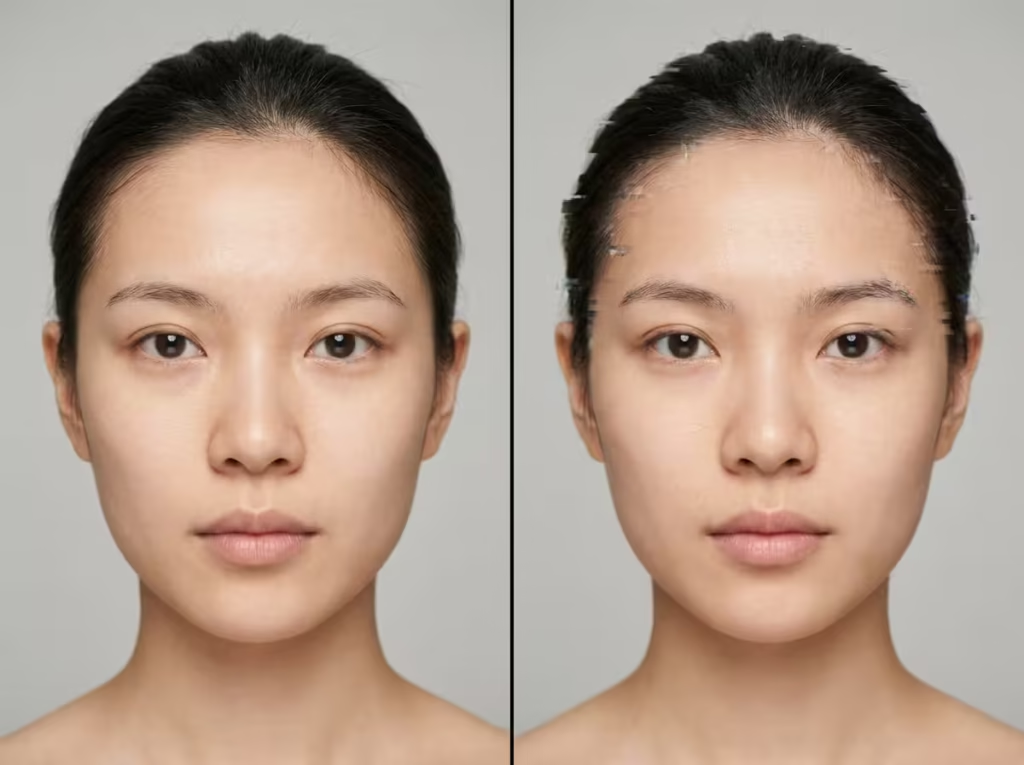
- 2. Boundary Blurring Near Ears, Neck, and Hair: The hardest part of face-swapping is seamless blending where the jawline meets the neck or where wisps of hair cross the forehead. Look for pixelated flickering, shimmering halos, or blurred edges whenever the person turns their head.
- 3. Lighting Mismatch and Inconsistent Shadows: If a person is outdoors under bright afternoon sunlight, shadows beneath their nose and eyebrows must match the background light direction. Deepfake models often generate faces illuminated by neutral studio lighting pasted into scenes with dramatic directional light.
- 4. Lip-Sync Latency and Mouth Geometry: Watch mouth phonemes carefully. Generative video often struggles to render teeth and inner mouth depth correctly. Notice if the lips close completely on “B,” “M,” and “P” sounds or if there is a 50-millisecond acoustic desynchronization.
- 5. Porcelain “Airbrushed” Skin Texture: Real high-definition camera sensors capture skin pores, subtle blemishes, fine wrinkles, and subsurface blood flow. Deepfake faces frequently appear excessively smooth and plastic, resembling video game characters or heavy beauty filters.
Acoustic Glitches in Synthetic Voice Recordings
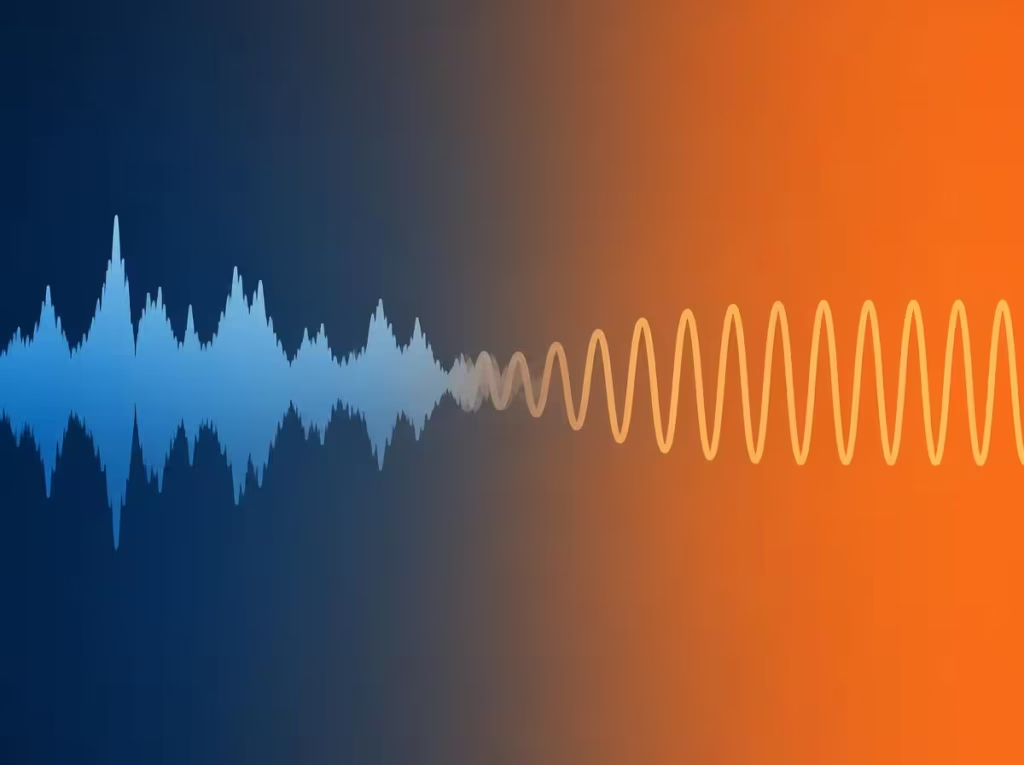
Audio deepfakes are increasingly paired with video clips or sent as stand-alone voice memos via WhatsApp and Telegram. While neural text-to-speech models produce crystal-clear pronunciation, they frequently fail natural conversational phonology:
- Missing or Unnatural Respiration: Natural human speakers inhale air between subordinate clauses. Synthetic voice generators often omit breathing entirely or insert identical, loop-like breath sounds at mechanical intervals.
- Flat Emotional Cadence: Even when an AI voice raises pitch to sound angry or excited, the underlying emotional micro-inflections remain oddly linear. Listen for robotic cadence on words containing multiple syllables.
- Dead Acoustic Silence: Authentic recordings captured in cars, offices, or living rooms always retain ambient room tone. Synthetic clips often sound unnaturally sterile or feature artificial white noise artificially superimposed over the voice track.
The 4-Step Verification Framework
Whenever you encounter a viral video or an urgent media clip that raises your suspicions, execute this systematic verification protocol before reacting or sharing:
- Step 1: Frame-by-Frame Scrutiny: Pause the video during moments of rapid movement—such as when the speaker laughs, turns sideways, or moves a hand across their face. Face-swapping models frequently disintegrate when an object occludes the facial canvas.
- Step 2: Reverse Visual Search: Take a high-resolution screenshot of a clear frame and run it through Google Lens or TinEye. If the video is a recycled speech from three years ago with a newly grafted synthetic face, reverse image search will surface the original footage within seconds.
- Step 3: Source & Context Triangulation: Ask yourself: Who is the original publisher? If a bombshell political speech or celebrity confession exists exclusively on an anonymous Telegram channel or unverified TikTok profile without coverage from major journalistic outlets, treat it as fraudulent.
- Step 4: Analyze Underlying Psychological Pressure: Deepfakes are rarely created for idle amusement; they are engineered to evoke outrage, panic, or financial urgency. If a clip commands you to share immediately or transfer money, pause and verify.

Forensic Tools & Verification Platforms
While human intuition is your first line of defense, dedicated online verification utilities provide valuable technical corroboration:
| Tool / Resource | Primary Forensic Function | Access & Difficulty |
|---|---|---|
| Google Lens / TinEye | Reverse image searches key frames to locate original unaltered footage. | Free / Very Easy |
| InVID & WeVerify Plugin | Journalistic verification toolkit providing frame extraction and metadata inspection. | Free / Moderate |
| Hive Moderation / Deepware | Scans uploaded video clips for deep neural tampering and GAN artifacts. | Freemium / Moderate |
| EXIF / Metadata Viewers | Inspects camera model, creation timestamps, and encoding software signatures. | Free / Moderate |
| Fact-Checking Newsrooms | Investigates viral claims (PolitiFact, Snopes, Reuters Fact Check). | Free / Very Easy |
As forensic investigations from the MIT Technology Review continually highlight, automated deepfake detection represents a perpetual cat-and-mouse game between generative algorithms and forensic detectors. Relying on any single detector is unwise; the strongest protection combines human critical thinking with automated tools.
Common Traps to Avoid During Media Verification
Even tech-savvy users fall victim to cognitive biases when evaluating suspicious media. Watch out for these three widespread pitfalls:
- Confirmation Bias: If a deepfake depicts a politician or competitor you already dislike doing something scandalous, your brain naturally wants to believe it is authentic. Scrutinize content you agree with just as aggressively as content you despise.
- Assuming Bad Video Quality Equals Legitimacy: Scammers intentionally downscale video resolution, add artificial compression, or record computer screens with shaky smartphones. Low resolution masks facial blending glitches and makes deepfakes far harder to spot.
- The “Liars’ Dividend”: A dangerous byproduct of deepfake technology is that public figures now dismiss authentic, damaging recordings by falsely claiming: “That was an AI deepfake.” Verification protects truth in both directions. Initiatives spearheaded by Google’s misinformation defense program emphasize that public media literacy remains our strongest social safeguard.
Frequently Asked Questions
Is creating or sharing a deepfake illegal?
It depends on jurisdiction and intent. While creating harmless parodies or digital avatars is generally protected free speech, weaponizing deepfakes for fraud, financial extortion, defamation, non-consensual imagery, or election interference violates criminal and civil laws across the United States, European Union, and Brazil.
Can you reliably detect audio deepfakes with human ears alone?
Low-grade cloned voices exhibit obvious robotic artifacts, but state-of-the-art voice models are virtually indistinguishable to the naked ear over compressed cellular telephone lines. Contextual verification—such as asking personal secret questions or hanging up and calling back—is vastly more reliable than relying solely on acoustic perception.
How can I protect my own photos and videos from being cloned?
Restrict public access to high-resolution videos and photo albums on social platforms. Avoid posting clear, front-facing video footage with clean spoken audio to public profiles. For public creators, watermarking content and using digital credential standards (such as C2PA Content Credentials) helps authenticate legitimate media releases.
Cultivating a Mindset of Constructive Skepticism
Surviving the synthetic media era does not require cynicism or complete distrust of information. It requires developing a disciplined pause between consumption and reaction. When an alarming video or audio message lands in your feed, do not hit share or send funds. Pause, look for the seams, check the source, and verify. Have you spotted a convincing deepfake recently? Tell us how you identified it in the comments below!