
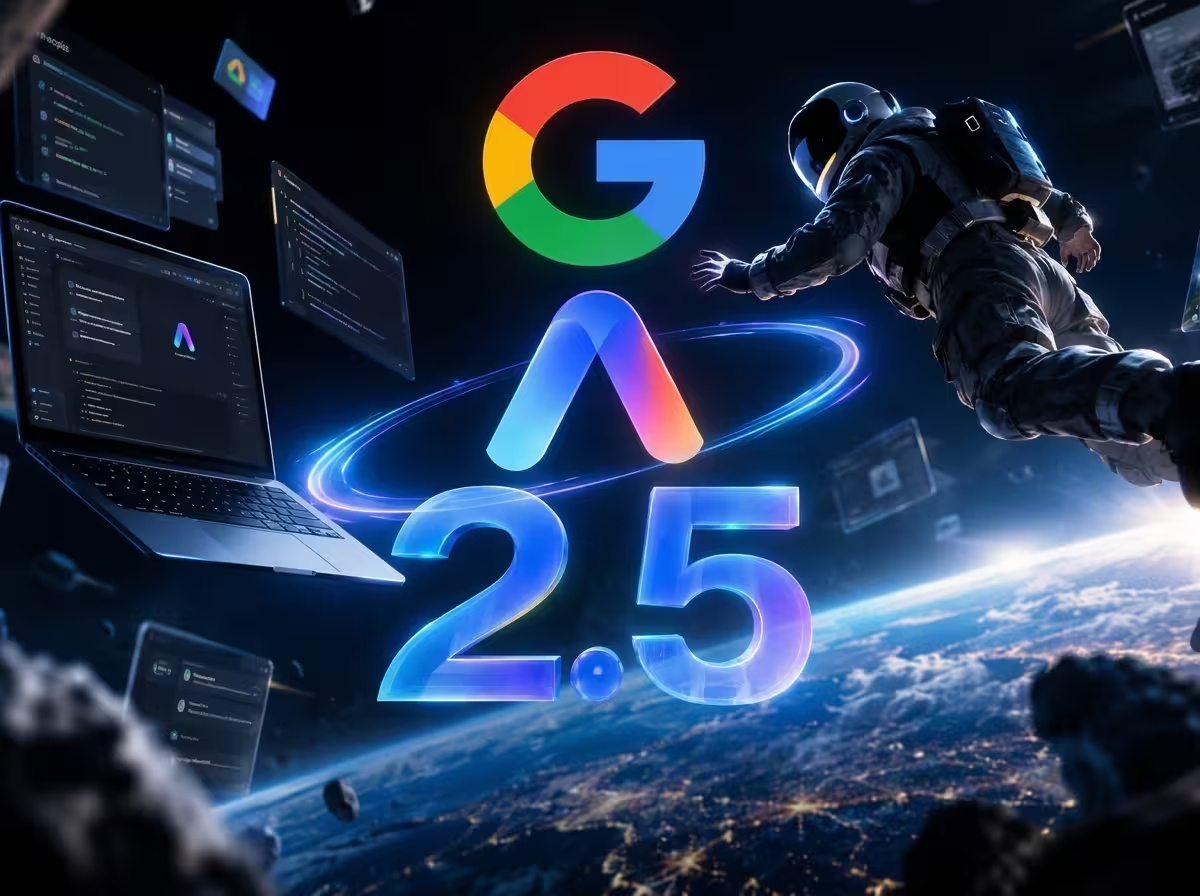
With the arrival of google antigravity 2.0, the tech world is moving beyond simple conversational chatbots. You typed a prompt, the model streamed a block of text, and the interaction ended. If you wanted to turn that text into an automated workflow, an application refactor, or a validated dataset, the manual heavy lifting remained squarely on your shoulders.
With the release of Google Antigravity 2.0, the tech giant officially closed the chapter on static chatbots and ushered in the era of agentic computing. Rather than merely talking about work, Antigravity 2.0 is an integrated environment engineered to execute end-to-end multi-step projects autonomously inside real developer and enterprise environments.
Why Google Antigravity 2.0 Rewrites Autonomous Multi-Agent Workflows
The core conceptual leap of Antigravity 2.0 is the shift from reactive prompting to proactive orchestration. In traditional conversational interfaces, models lack environmental awareness: they cannot see your local directory tree, inspect terminal errors, or interact with external APIs unless you painstakingly copy-paste context back and forth.
Antigravity 2.0 bridges that divide through three interconnected components: agentic workspaces, Model Context Protocol (MCP) tool integration, and hierarchical subagent swarms. By combining Gemini’s massive multi-million-token context window with direct tool execution, the platform transforms high-level user instructions into verifiable codebases, live system fixes, and structured deliverables.
The Anatomy of the Platform: How It Works in Practice
Under the hood, Google Antigravity 2.0 operates as an advanced pair-programming and workflow orchestrator structured around four core architectural layers:
- The Lead Orchestrator: The primary model that dialogues with the user, analyzes constraints, authors execution blueprints, and supervises system integrity.
- The Planning Mode: An interactive alignment phase where the agent drafts step-by-step implementation plans, solicits user architectural feedback, and establishes ground-truth verification criteria before modifying files.
- The Execution Engine: Sandboxed tool access allowing the agent to read and edit files via precise diffs, execute terminal commands, run regression tests, and browse live web pages.
- Persistent Artifacts: Dedicated interactive deliverables (markdown reports, Mermaid flowcharts, and generative UI widgets) maintained within the workspace for transparent auditability.
The Power of Subagents: A Coordinated Engineering Swarm
Complex engineering projects quickly overwhelm a single model context. If an AI spends 80% of its working memory searching across hundreds of source files, its reasoning capacity during refactoring degrades.
Antigravity 2.0 solves this bottleneck through hierarchical subagent delegation. When tasked with a large initiative, the primary agent can spawn isolated, specialized subagents running concurrently:
- Research Subagents: Autonomous read-only agents that index repositories, inspect documentation, and extract relevant code snippets.
- Visual & Media Subagents: Specialized agents dedicated to generating assets, optimizing images, and testing responsive web interfaces.
- Testing & Verification Subagents: Isolated workers that execute unit tests, capture linter outputs, and report pass/fail metrics back to the primary orchestrator.
Because subagents report back asynchronously, the lead orchestrator remains laser-focused on high-level architecture and task completion.
MCP Protocol and Skills: Dissolving Software Silos
Historically, proprietary AI ecosystems were walled gardens. Antigravity 2.0 breaks down these barriers by embracing the open Model Context Protocol (MCP).
Through MCP servers and modular Skills, Antigravity seamlessly connects to external tools: GitHub pull requests, WordPress REST APIs, browser automation harnesses, databases, and continuous deployment pipelines. Software is no longer an isolated silo; it becomes a fluid canvas where AI agents safely orchestrate actions across the enterprise stack.
To see how agentic systems operate directly within browsers, explore our guide on agentic AI browsers.
For official release notes and architectural guides, visit the Google Technology Announcements.
To take your practical workflow further, explore our hands-on guide on key differences between chatbots and autonomous AI agents.
Frequently Asked Questions
Is Google Antigravity 2.0 built exclusively for software developers?
While developer workflows represent its primary showcase, Antigravity 2.0 is designed for any professional requiring autonomous multi-step execution, including technical writers, data analysts, marketing automation specialists, and systems administrators.
How does Antigravity differ from standard web-based Gemini?
Standard browser Gemini is an informative conversational chatbot. Antigravity 2.0 is an agentic environment with integrated terminal execution, local file manipulation, subagent delegation, and automated testing loops.
Is the system safe against accidental command execution?
Yes. Antigravity 2.0 incorporates rigorous human-in-the-loop safeguards. High-risk operations (such as external deployments, database migrations, or git commits) require explicit user authorization, while sandbox constraints prevent destructive filesystem modifications.
💬 The Next Leap in Autonomous AI
Have you transitioned from conversational chatbots to autonomous agentic platforms like Google Antigravity? How has delegating complex tasks to subagents changed your daily productivity? Join the conversation in the comments below! 👇