
Tracking the most effective viral AI prompts is the fastest shortcut to unlocking extraordinary creative outputs across visual art, video storytelling, and everyday productivity without starting from a blank screen.
You have almost certainly spotted them across TikTok, Instagram Reels, and X: ordinary selfies transformed into Pixar-grade 3D character models, vintage disposable camera snapshots with nostalgic film grain, and structured conversational templates that effortlessly organize personal finances.
Behind every viral aesthetic phenomenon lies a carefully balanced prompt architecture—combining a rigid structural framework with flexible placeholder brackets that allow anyone to inject their own personal context.
In this curated breakdown, you will find the highest-performing prompts dominating social media in 2026, complete with step-by-step adaptation guides and tool pairings for ChatGPT, Google Gemini, and Midjourney.
Why Certain Viral AI Prompts Explode Across Social Networks
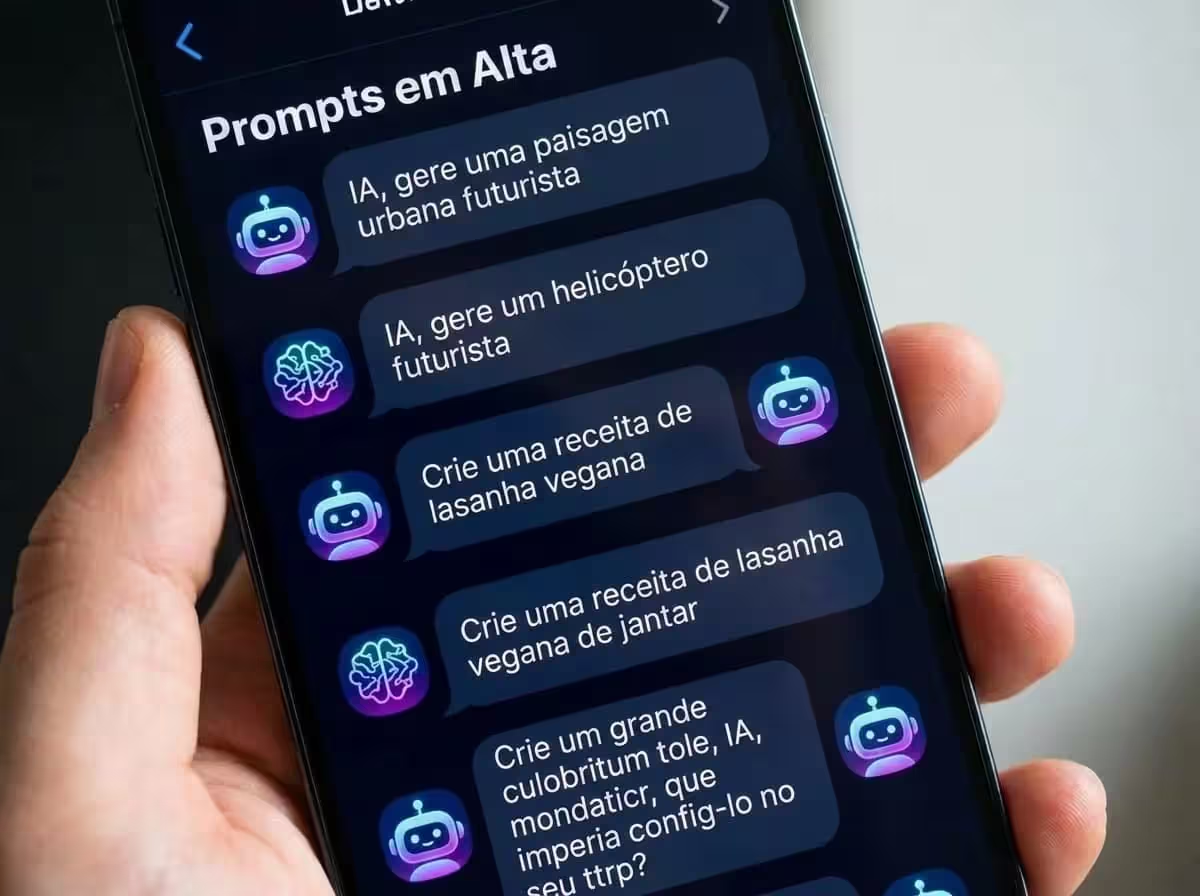
A prompt achieves viral momentum when it fulfills three critical criteria: extreme copy-and-paste accessibility, instantly recognizable visual flair, and deep personalization potential.
When creators share jaw-dropping renders online, audiences rarely applaud generic software; they immediately demand in the comments: “What was the prompt?” This dynamic sparks a viral discovery loop that propels specific styles across millions of user feeds.
“The most viral AI commands are not complex code algorithms. They are intuitive creative molds designed for immediate human personalization.”
— Social Media Trends Analysis
Viral AI Prompts for Image Generation and Artistic Styles
Copy and customize these three top-performing artistic formats currently trending across digital platforms:
1. Cinematic 3D Studio Animation Style:
3D studio character render of [describe subject: person, pet, or couple], expressive warm eyes, soft volumetric studio lighting, velvet-like smooth skin textures, endearing family animated blockbuster aesthetic, vibrant cinematic color palette, high detail, 8K resolution.2. Handcrafted Watercolor & Storybook Aesthetic:
2D handcrafted fine art illustration applied to an everyday scene: [describe scene], hand-painted textured background, soft watercolor pigment pooling, gentle pastel palette, delicate morning breeze motion, charming editorial storybook feel, no text.3. Imperfect 90s Disposable Camera Realism (Anti-AI Aesthetic):
Candid snapshot of [describe everyday moment], harsh direct flash photography, subtle 35mm film grain, slight motion blur, disposable camera color grading, authentic human skin imperfections, candid non-posed angle, nostalgic real-life documentary feel.Trend Insight: The disposable camera aesthetic has exploded precisely because it rejects the hyper-smooth, artificial look of early AI generators in favor of gritty, nostalgic authenticity.
Conversational Prompts for Short Video Scripts and Routine Mastery
Viral prompting extends far beyond graphics. Content creators and professionals rely heavily on these high-retention frameworks:
The “Spontaneous Interviewer” Script for TikTok & Reels:
Act as a curious, empathetic podcast interviewer. Ask me 10 thought-provoking questions, exactly one at a time, pausing for my genuine reply before proceeding to the next, focused on: [topic: career turning points / lessons from failure / personal philosophies].The Executive Routine & Task Declutter Prompt:
Act as a high-performance executive coach. Interrogate me about my current weekly responsibilities, recurring bottlenecks, and top 3 quarterly priorities. Build a streamlined daily agenda allowing a maximum of 3 critical focus tasks per day, flagging items I should delegate or eliminate entirely.Tool Compatibility Matrix
| Prompt Archetype | Optimal Model / Platform | Targeted Creative Outcome |
|---|---|---|
| 3D Animation & Realism | Google Gemini or Midjourney v6 | Vibrant character renders & film grain |
| Interactive Interviews | ChatGPT Voice Mode or Claude | Spontaneous video dialogue generation |
| Routine Planning | ChatGPT or Microsoft Copilot | Structured tables & weekly priorities |
How to Personalize Any Viral Template Like a Pro
- Replace Generic Descriptors: Never leave placeholders like “[a person]”. Transform them into vivid specifics: “A freelance software developer sipping matcha tea by a rainy Tokyo cafe window.”
- Iterate One Variable at a Time: If the composition looks right but the atmosphere feels flat, adjust only the lighting cues (e.g., switch from “studio lighting” to “twilight neon glow”) to understand cause and effect.
- Batch Generate Variations: Generate 4 to 6 iterations for every prompt. AI models operate with stochastic variance, meaning small seed shifts produce diverse compositions.
To dive deeper into related technologies and sharpen your digital skills, explore our detailed guides on ready-to-use AI prompts and what are AI chatbots.
Frequently Asked Questions (FAQ)
Do viral AI prompts work equally well across free tools?
Yes. The prompts in this guide are engineered for foundational conversational and visual models, functioning seamlessly across free access tiers of ChatGPT and Google Gemini.
Why does my result differ from examples circulating online?
Visual diffusion models rely on random seed initialization. Furthermore, online creators frequently submit reference images or apply subtle post-production color grading in tools like Lightroom to achieve their signature look.
Can I use outputs from viral prompts for commercial merchandise?
In general, most commercial AI platforms grant users commercial ownership rights over generated media, provided you do not infringe on copyrighted brand characters, trademarks, or real celebrity likenesses.
Which trending aesthetic are you planning to experiment with today—3D studio animation, disposable film realism, or conversational video coaching? Share your favorites in the comments below!