
Integrating AI for aesthetics has become a game-changer for beauty salons, medspas, and solo practitioners trying to reclaim their working hours. If you run a wellness clinic, your schedule is likely packed with non-stop demands: treating clients, answering late-night direct messages, rescheduling cancellations, publishing social media updates, and balancing financial records.
Before diving deeper, let’s establish a clear boundary: artificial intelligence in the aesthetic industry does not mean humanoid robots performing facial peels or microneedling. Instead, we are discussing smart software, intelligent scheduling engines, and automated messaging agents that eliminate tedious administrative friction without demanding technical expertise.
When routine tasks run autonomously in the background, you regain mental bandwidth to focus on clinical mastery, customer experience, and business growth. If you are curious about setting up lightweight systems, explore our guide on free AI automations to see how modern tools integrate without friction.
How AI for Aesthetics Drives New Client Acquisition
One of the most persistent operational hurdles for cosmetic clinics is handling customer inquiries outside business hours. Prospective clients frequently research aesthetic procedures late at night or during lunch breaks. When their messages sit unanswered for hours, they promptly book an appointment with a competing studio down the street.
Automated conversational agents powered by natural language processing bridge this exact gap. Unlike rigid keyword-matching phone trees from a decade ago, modern virtual concierges understand colloquial queries, answer treatment questions accurately, and guide visitors directly toward calendar confirmation.
To deploy an intuitive intake assistant on your commercial messaging channels, you can test this tested system prompt within your chatbot platform or messaging workflow:
Act as an empathetic and highly professional virtual receptionist for an upscale aesthetic clinic. Welcome the client warmly, ask which primary treatment they are interested in (e.g., deep skin cleansing, eyebrow design, lymphatic drainage, or anti-aging consultations), inquire about their preferred days and times this week, and clarify whether they are a returning client or visiting us for the first time. Keep responses concise, welcoming, and reassuring.By delegating initial triage to a conversational assistant, prospective clients receive instantaneous attention 24 hours a day. All you have to do the following morning is review the organized booking summary and welcome the patient into your clinic.
Eliminating Costly No-Shows with Automated Reminders
Empty treatment slots represent pure revenue loss for aesthetic professionals. When a client fails to show up for an assigned 90-minute facial appointment, that operational overhead cannot be recovered. Manual confirmation phone calls consume substantial staff hours and frequently go unanswered.
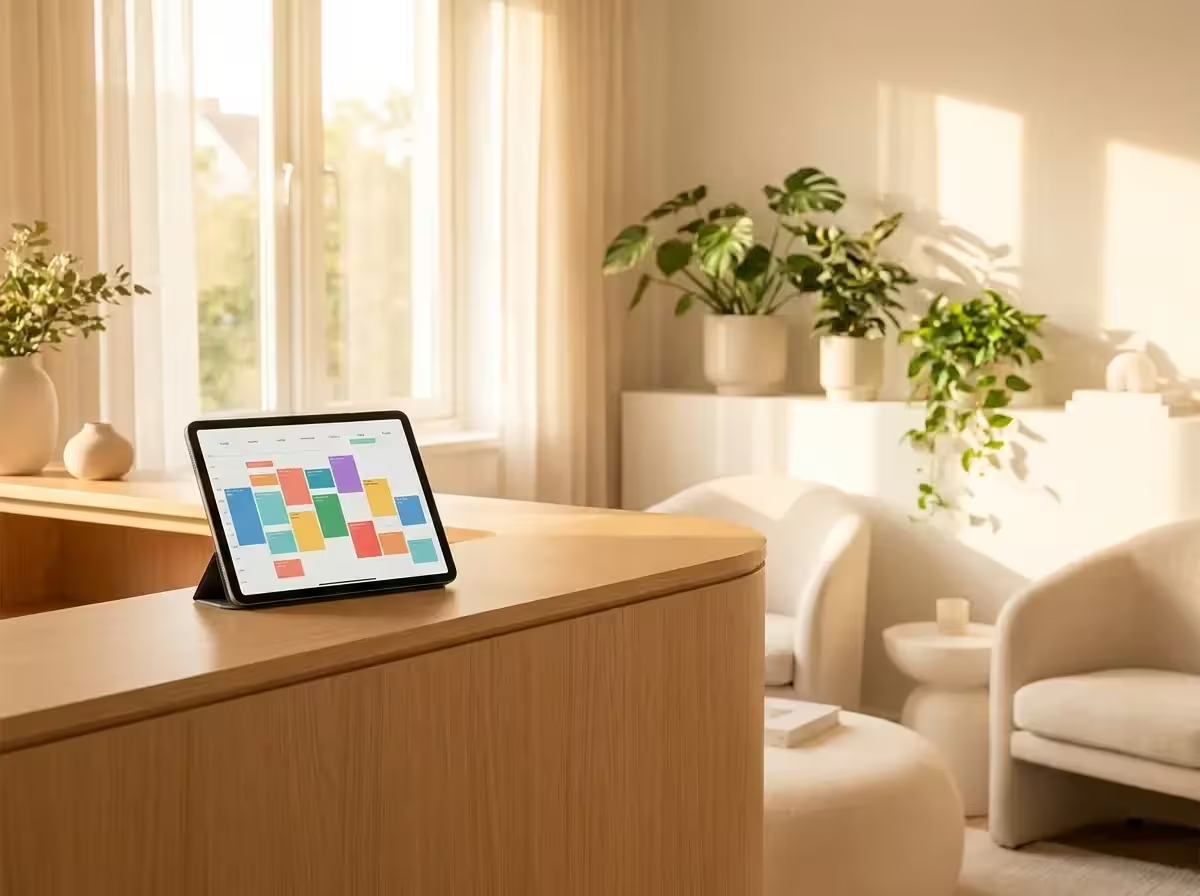
Specialized appointment management platforms utilize behavioral sequencing to send timely, friendly reminders across messaging channels. These automated workflows gently nudge clients to confirm, reschedule, or cancel with sufficient lead time to fill the open slot from a standby waitlist.
If you prefer crafting custom communication sequences inside your CRM or messaging tool, use this prompt to generate high-converting confirmation templates:
Generate 3 concise appointment confirmation message templates for an aesthetic skincare clinic:
1) A warm, welcoming reminder sent 24 hours before the appointment detailing arrival instructions.
2) A polite, direct notification sent 2 hours before the session confirming room readiness.
3) A frictionless rescheduling message for unconfirmed slots that frees up the appointment without sounding accusatory or rigid.
Implementing targeted notification sequences systematically slashes clinic no-show rates by up to 40%, safeguarding your daily revenue without requiring relentless manual follow-ups.
Creating Consistent Beauty Content and Visual Inspiration
Maintaining an inspiring social media presence is non-negotiable for modern beauty studios. However, creating engaging carousels, educational reels, and explanatory treatment guides after an eight-hour clinical day often leads to creative exhaustion. This is where generative tools provide immediate leverage.
Large language models excel at synthesizing complex dermatological concepts into digestible educational snippets that build client trust. For detailed frameworks on prompt structure, check out our master list of ready-to-use AI prompts to elevate your creative workflow.
Here is an effective prompt designed to produce high-engagement educational social media outlines for aesthetic practices:
Create 5 educational Instagram post concepts for an aesthetic studio specializing in [Insert Core Service, e.g., Chemical Peels / Microneedling]. For each concept, provide:
- A magnetic hook headline addressing a common skincare dilemma.
- A concise 3-bullet breakdown explaining how the treatment solves it.
- An engaging closing call-to-action inviting followers to share their skincare routine in the comments.
Any synthetic visual or concept generated by artificial intelligence must be clearly communicated as an illustrative simulation, preserving absolute transparency and realistic client expectations.
Clinical Ethics & Patient Trust
Patient Privacy and Clinical Compliance in the Digital Age
While algorithmic efficiency offers incredible leverage, patient confidentiality in aesthetic medicine is paramount. When utilizing digital tools, salon owners and clinic directors must maintain strict adherence to healthcare privacy regulations, including HIPAA standards in the United States and state-level consumer protection acts.
Never input personally identifiable information, unedited patient medical histories, or uncensored clinical photos into public generative chat interfaces. Commercial language models may retain input data for algorithmic retraining unless enterprise privacy protections or local sandboxing are explicitly toggled on.
Instead, use sanitized prompt variables when drafting clinical protocols. For example, instruct the model to analyze “a hypothetical 42-year-old female patient with Fitzpatrick skin phototype IV undergoing superficial glycolic exfoliation” rather than referencing real patient profiles.
Here is an indispensable prompt for generating customized post-treatment recovery guides that educate clients while shielding your staff from repetitive phone consultations:
Draft a comprehensive, reassuring post-care instruction guide for clients who have just completed a [Insert Procedure, e.g., Microneedling / Laser Skin Resurfacing]. Structure the output into:
1. Immediate 24-hour protocols (cleansing restrictions, sun avoidance, barrier cream application).
2. Days 2 to 5 recovery milestones (normal sensations versus warning signs that warrant calling our medical staff).
3. Long-term maintenance tips to maximize glow and collagen longevity.
Tone: Warm, empathetic, and clinically authoritative.
Providing clear, automated home-care guides reduces post-treatment anxiety, prevents accidental complications, and elevates patient satisfaction scores across the board.
Comparative Matrix: Automation Across the Patient Journey
To evaluate where algorithmic automation delivers the greatest return on invested time, review how smart systems optimize each touchpoint of your practice:
| Clinical Stage | Core Challenge Solved | Practical Application |
|---|---|---|
| Client Inquiry | Unanswered messages during off-peak hours | Intelligent conversational intake bot |
| Calendar Management | Last-minute cancellations and empty time slots | Dynamic behavioral reminder sequences |
| Brand Marketing | Creative fatigue and inconsistent posting | Generative prompt templates for skin education |
| Post-Treatment Care | Client retention and recovery monitoring | Automated home-care instructions via messaging |
Four-Step Implementation Roadmap for Solo Practitioners
Transforming your daily workflow does not require an enterprise software overhaul. Follow this structured roadmap to integrate automation progressively:
- Isolate Your Single Biggest Bottleneck: Review your weekly hours and identify whether client intake, scheduling confirmations, or marketing takes the heaviest toll. Start with client messaging first, as it yields the fastest return.
- Leverage Free Conversational Models: Open accessible tools like ChatGPT or Google Gemini to draft your intake scripts, FAQ responses, and recovery guides without spending capital upfront.
- Run a Seven-Day Controlled Trial: Deploy your newly formatted automated response scripts for one week. Track whether response latency drops and how prospective clients react to the promptness.
- Preserve the Human Touchpoint: Never automate clinical evaluations or empathetic consultations. Technology serves to clear administrative clutter so you can deliver personalized, heartfelt care.
Frequently Asked Questions
Can artificial intelligence replace human receptionists in high-end medspas? Not entirely. While intelligent bots manage basic inquiries and calendar confirmations seamlessly, high-touch aesthetic clinics rely on human empathy, bespoke hospitality, and complex clinical triage that algorithms cannot replicate.
Is it expensive to start implementing AI for aesthetics in a small studio? Not at all. Foundational generative tools like ChatGPT and Google Gemini offer robust free tiers for drafting client communications, while dedicated scheduling platforms offer entry-level tiers designed specifically for solo aesthetic specialists.
Is it legally compliant to use generative algorithms for treatment outcome previews? Clinical standards established by organizations like the American Med Spa Association mandate that any computer-generated simulation must be accompanied by explicit disclaimers confirming it is an illustrative visualization rather than a guaranteed medical outcome.
How do automated post-treatment check-ins improve patient retention? Sending automated, scheduled follow-up tips 24 and 72 hours after an intensive procedure reassures patients, monitors healing progression, and drastically elevates client loyalty.
Which clinic task would you love to automate first?
Share your thoughts in the comments below: is handling client messages, managing no-shows, or creating social content your biggest daily headache? Let us know what tools you are testing! 👇