

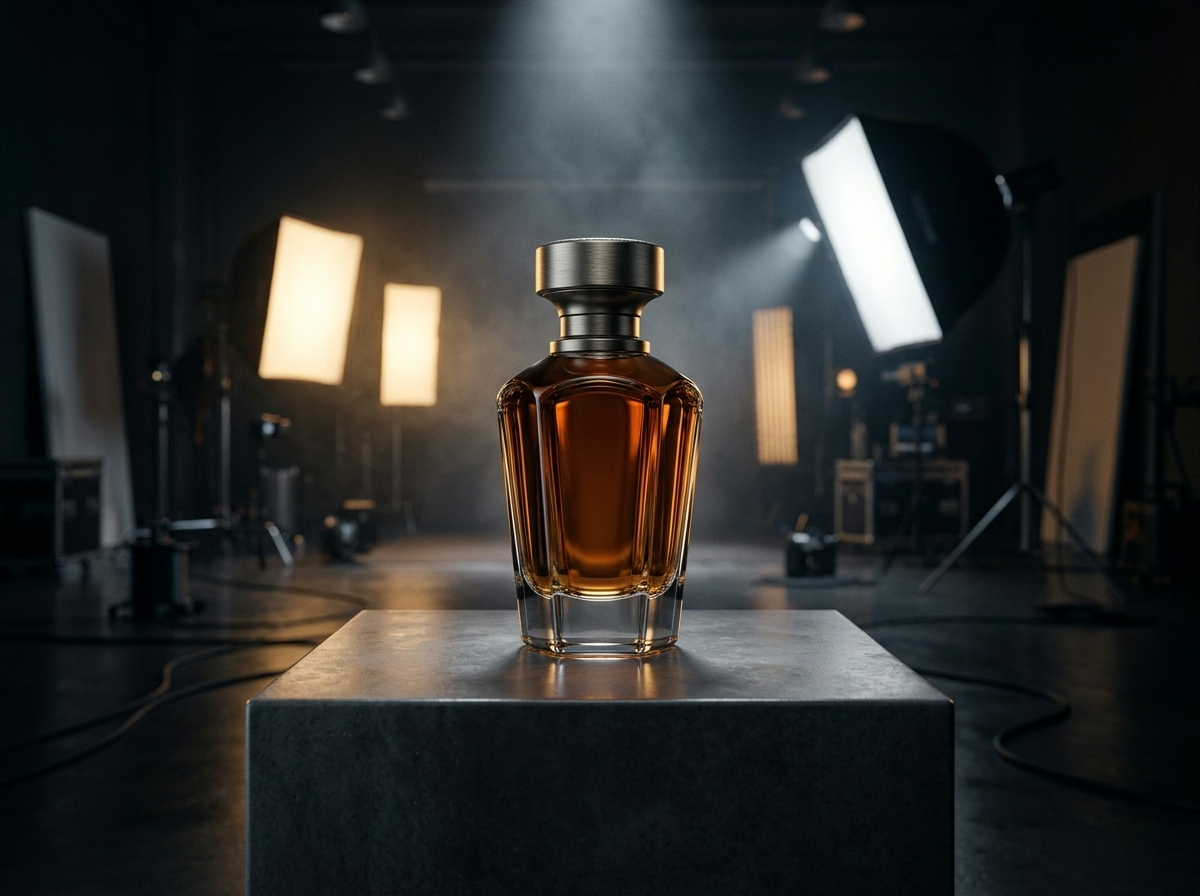
Spend five minutes scrolling through your Instagram feed or browsing sponsored social placements, and an irritating pattern immediately surfaces: dozens of brands marketing products with visuals that scream artificial intelligence from a mile away. Heavily plasticized skin reminiscent of showroom mannequins, product packaging hovering awkwardly with detached shadows, lighting reflections defying basic physics, and garbled labels rendered in alien gibberish. The inevitable result? Modern consumers glance for half a second, subconsciously register the creative as untrustworthy, and swipe upward without hesitation. In today’s hyper-competitive paid acquisition landscape, mastering AI ad prompts has transcended casual creative experimentation to become the single most profitable commercial skill in digital advertising.
The decisive divide between a generic, amateur design and a high-converting commercial asset does not depend on which neural generator you boot up—whether Midjourney, Flux, ChatGPT, or Stable Diffusion. It hinges entirely on your technical vocabulary, lighting direction, and conversion psychology. When you master the design principles employed by premier agency art directors, generative models cease outputting generic visual fluff and begin producing high-impact creatives that halt thumb-scrolling, project institutional prestige, and spark immediate buyer intent.
Act 1: The Death of Amateur Visuals and the “Wax Figure” Trap
The cardinal sin made by media buyers and solo founders when generating ad assets is feeding the model lazy, superficial prompts like “create a stunning luxury perfume product photo.” Generative models must statistically extrapolate every single unspecified parameter. When left unguided, the algorithm defaults to the unweighted mean of its broad training distribution—producing that soapy, over-smoothed sheen that human brains instantly discard as fake.
In high-converting commercial advertising, controlled physical imperfection is precisely what drives consumer credibility. It is the palpable beads of cold condensation running down an aluminum beverage can, the tactile weave of combed cotton across a streetwear tee, the microscopic pore texture on a model’s cheek, or the organic shadow fall-off across raw architectural concrete. As we discovered when building our blueprint on building professional online publications with AI, the objective is never to advertise that you used cutting-edge technology—it is to make prospective buyers desire the product without ever questioning how the visual was captured.
Furthermore, distribution algorithms across ad platforms like Meta Ads aggressively penalize creative fatigue and high bounce rates. When an arresting image pauses the feed, click-through rates (CTR) surge while cost-per-click (CPC) plunges. Production craftsmanship is the ultimate lever to reduce customer acquisition expenses.
Act 2: The Core Advertising Triad: Hero Staging, Hierarchy, and Identity
Before writing a single string of prompt syntax, every high-performing ad concept must satisfy three immutable design pillars:
- 1. Uncompromising Hero Product Staging: The background set dressing, model talent, and atmospheric lighting exist exclusively to showcase the product—never to compete with it. If the background is so chaotic that a viewer’s eyes wander toward neon skylines and geometric clutter, the ad fails its primary commercial goal. Decades of visual tracking research from the Nielsen Norman Group demonstrate that online user attention gravitates toward areas of immediate optical clarity.
- 2. Compositional Hierarchy and Copy Space: High-converting ad creatives rarely consist of standalone imagery. They require dedicated, uncluttered areas designed for magnetic headlines, social proof badges, pricing anchors, and call-to-action (CTA) buttons. Professional prompts deliberately preserve negative space so that advertising typography reads effortlessly without visual friction.
- 3. Faithful Packaging Preservation: When selling an existing physical product with defined branding and typography, the critical challenge is preventing the model from distorting labels or hallucinating odd bottle shapes. The solution involves pairing image-to-image (img2img) control passes with prompt constraints that lock the product’s authentic silhouette.

Act 3: The Commercial Photographer’s Vocabulary for AI Prompts
Modern diffusion models were trained on millions of high-end commercial captures cataloged by studio photographers and cinematographers. When you incorporate authentic optical and lighting terms, the generator interprets the scene with surgical precision. Here is the foundational dictionary every advertiser must deploy:

Studio Lighting Modifiers That Boost Ad Engagement
Camera angles frame the visual narrative, but studio lighting establishes the psychological value proposition. Incorporating these industry modifiers elevates flat renders into commercial catalog centerpieces:
- Volumetric Spotlight: Strong directional key lighting angled from above, casting visible atmospheric shafts through subtle ambient haze. Imparts cinematic exclusivity and high luxury value.
- Rim Light (Edge Separation): A sharp back-light outlining the outer contour of the item with a fine luminous halo, separating dark packaging from deep backdrops so the product leaps off mobile screens.
- Softbox Studio Diffusers: Broad, ultra-diffused illumination eliminating harsh specular reflections, delivering the creamy, uniform clarity characteristic of high-end department store lookbooks.
- Low-key Chiaroscuro: A predominantly moody palette where only strategic metallic or glass highlights catch directional strobes. The recognized standard for luxury watches, premium fragrances, and flagship electronics.
- Anamorphic Lens Streaks: Horizontal specular streaks bouncing off brushed metal and polished glass, signaling technological refinement and futuristic performance.
Act 4: The Official Prompt Library: High-Converting Ad Blueprints Ready to Deploy
Below is our tested library of high-conversion advertising prompts engineered for major paid social channels. Copy each prompt block, adapt the brackets [ ] to match your product attributes, and run inside your chosen image generator:
Prompt 1 — Vertical Feed and Stories Premium Placement (1080×1350)
Engineered for the high-engagement 4:5 vertical aspect ratio that occupies the maximum screen real estate on Instagram and TikTok feeds:
Transform the attached product image into a high-end luxury advertising campaign for Instagram, with a modern, sophisticated, and highly persuasive aesthetic.

Create a vertical composition in 4:5 aspect ratio (1080x1350), positioning the product as the hero centerpiece. Commercial hyper-realistic studio photography, diffused softbox key lighting paired with subtle rim lighting along the edges, minimalist architectural set design with muted tones harmonizing with the product palette, cinematic depth of field (85mm f/2.8), organic surface reflections, and sharp contact shadows.

Reserve deliberate negative copy space across the upper third for bold headline typography and promotional benefit badges.

Incorporate high-converting retail graphic accents:
- Sophisticated gold-accented badge: “SPECIAL LAUNCH OFFER”;
- Clear pricing anchor: “Was $[REGULAR_PRICE] · Now Just $[SALE_PRICE]”;
- Scarcity trigger: “LIMITED EDITION BATCH”;
- Prominent rounded call-to-action button: “ORDER TODAY · FREE SHIPPING”.

STRICT CONSTRAINT: Flawlessly preserve the exact shape, proportions, packaging, label typography, and brand logo of the reference product. Zero hallucinated textures or AI warping. Deliverable must rival a Madison Avenue advertising campaign.
Prompt 2 — Direct-Response E-Commerce Flash Sale Creative
Optimized with urgency triggers for flash sales, holiday launches, and high-ROI bottom-of-funnel retargeting campaigns:
Transform the reference product into a direct-response commercial advertisement engineered for paid social performance, rigorously preserving the packaging, label artwork, typography, and brand colors of the original asset.

Render an authoritative commercial scene: hero product staged at a subtle low-angle perspective on a matte stone pedestal, dramatic volumetric key lighting, soft atmospheric gradient background, and clean geometric depth that signals uncompromising quality and reliability.

Integrate clean direct-response conversion triggers with pristine visual hierarchy:
- Urgent badge: “TODAY ONLY”;
- Strikethrough pricing anchor: “Normally $[ORIGINAL_PRICE]”;
- Dominant sale price typography: “Now $[DISCOUNT_PRICE]”;
- High-impact benefit ribbon: “[X]% OFF + FREE EXPRESS SHIPPING”;
- Prominent rounded CTA button: “CLAIM YOUR DISCOUNT”;
- Trust signals at bottom: “100% Guaranteed”, “Tracked Delivery”, “30-Day Risk-Free Returns”.

Hyper-sharp macro fidelity, tangible material textures, zero plastic smoothing.
Prompt 3 — Hyper-Realistic Editorial Lifestyle in Natural Environment
Ideal for fashion, premium skincare, artisanal goods, and luxury lifestyle brands cultivating deep emotional affinity:
Using the attached product image as an uncompromising reference, create an editorial lifestyle portrait in the aesthetic of a global luxury publication, capturing the product in an organic, authentic moment of daily use.

Preserve all original dimensions, branding, and color values of the product. The item is held naturally by [DESCRIBE_MODEL_OR_PERSON], exhibiting confident posture and authentic expression. Natural diffused morning window light (golden hour warmth), rich environmental setting rendered in soft focus (deep bokeh via 85mm f/1.4 lens), visible skin micro-pores, and natural fabric folds.

The creative must radiate quiet luxury and effortless sophistication, reserving negative space in the upper margin for editorial typography. Color graded with organic cinema contrast.
Act 5: Tailoring Prompts Across High-Converting Commercial Niches
Different commercial verticals respond to unique psychological visual triggers. Customize the modifier clauses in your prompts to resonate with your audience:
- Cosmetics and Skincare: Deploy “macro photography, subtle condensation water droplets, prismatic glass refraction, soft pastel rose and ivory tones, clean bathroom marble background, clinical purity”.
- Fitness and Sports Nutrition: Leverage “dramatic low-key lighting, textured dark charcoal gym set, aggressive rim highlights, airborne chalk dust particles, dynamic contrast, bold athletic aesthetic”.
- Gourmet Food and Beverage: Feature “rising steam aroma, golden crispy textures, warm tungsten dining ambient, reclaimed rustic wood surface, organic ingredients scattered in background, mouth-watering macro depth”.
- Consumer Tech and Electronics: Prioritize “matte black surfaces, sleek cyan and amber edge reflections, clean floating pedestal, architectural precision, sharp geometric drop shadows, modern executive desk setting”.
Act 6: The Post-Production Pipeline: Preserving Razor-Sharp Ad Quality
A breathtaking advertising asset can be completely undermined if you download a compressed low-res file and upload it straight into Ads Manager. Social platforms apply aggressive server-side recompression that turns delicate micro-textures into blurry artifact blocks.

To preserve cinema-grade fidelity across paid feeds, execute this 3-step post-production workflow:
- AI Neural Upscaling: Run your raw render through a dedicated desktop neural upscaler (such as Upscayl, detailed in our guide on restoring images and enhancing resolution with AI). Scale the canvas by 2x or 4x to achieve at least 2160×2700 pixels. This buffer preserves razor-sharp edges even after Instagram’s aggressive compression pass.
- Local Contrast and Micro-Clarity Tuning: Apply subtle global sharpening in lightweight tools like Lightroom, Photoshop, or Canva. A 5% to 8% bump in clarity amplifies surface textures and makes specular highlights pop on mobile OLED screens.
- Optimized Exporting: Export in high-quality JPG at 85% to 90% quality or flattened PNG. Files weighing between 1.5 MB and 3 MB deliver the optimal balance between instant 4G load times and pristine visual clarity.
Frequently Asked Questions (FAQ)
What is the best AI tool for commercial product ads today?
Currently, Midjourney v6 and the Flux family (specifically Flux.1 Dev and Schnell) lead the field in rendering photorealistic material textures and nuanced studio lighting. ChatGPT with DALL-E 3 remains outstanding for rapid ideation, but Flux combined with ControlNet represents the industry benchmark for strict label and packaging fidelity.
Can AI render promotional text on the ad without spelling mistakes?
While newer foundation models have improved at rendering short phrases like “SALE” or “50% OFF”, professional agency practice remains consistent: generate the flawless background and product scene in AI, then layer final typography, pricing badges, and CTA buttons inside Figma, Canva, or Photoshop to maintain exact brand typography.
Will using AI creatives hurt customer brand trust?
Only if the visuals look lazy, plasticized, and generic. When you apply professional prompts featuring authentic studio strobes, tangible material textures, and precise product likeness, audiences perceive the creative as an expensive, high-budget commercial photoshoot—substantially increasing brand authority and conversion rates.
How do I prevent the model from distorting my company’s logo?
Always provide a high-resolution photograph of your genuine product as a mandatory image prompt (or use ControlNet canny/depth passes), keeping image influence weighting high so the algorithm locks onto your packaging geometry and restricts generation solely to lighting and ambient set dressing.
A New Era of Digital Advertising in Your Hands
Artificial intelligence is not here to replace human taste, creative empathy, or the proven mechanics of direct-response marketing. It functions as a powerful leverage multiplier: creators who neglect lighting fundamentals and persuasion will continue generating forgettable renders that nobody clicks; creators who communicate with models like seasoned art directors can author in minutes what once demanded five-figure agency retainers and multi-day studio shoots.
Take the prompts from this dossier into your next creative sprint, upload your hero product, and test the outputs in your paid campaigns. The difference in click-through rates and acquisition costs will speak for itself.
Have you started running AI-generated creatives in your paid marketing? Which product niche do you manage, and what was your biggest technical hurdle when prompting the creative? Share your insights and test results in the comments below!