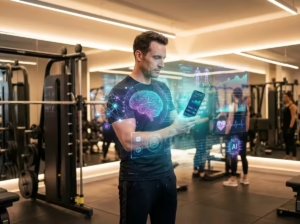

Learning how to protect against AI scams has become an urgent personal safety skill as cybercriminals replace clumsy spam emails with hyper-realistic voice clones and synthetic video impersonations.
Imagine receiving a panicked telephone call from your teenage daughter or aging parent claiming they were stranded after a car accident and urgently need bail or emergency funds transferred right away. The voice, emotional pitch, and background pauses match their exact mannerisms.
In reality, malicious actors can now synthesize convincing voice clones using just three to five seconds of audio extracted from public TikToks, Instagram reels, or YouTube uploads.
Because synthetic media has dismantled the old assumption that “hearing or seeing is believing,” defending your household requires concrete verification protocols rather than instinct alone.
How to Protect Against AI Scams by Recognizing the Top Modalities
Modern artificial intelligence elevates traditional social engineering schemes into highly personalized, persuasive attacks:
1. Audio Voice Cloning: Using neural voice synthesizers, scammers replicate vocal frequencies, accents, and emotional cadence to simulate urgent family kidnappings or fake roadside emergencies.
2. Synthetic Video Deepfakes: Manipulated video feeds where faces or entire bodies of public figures, company executives, or loved ones are superimposed onto actors, frequently promoting fraudulent crypto schemes or authorizing wire transfers.
3. AI-Enhanced Targeted Phishing: Natural language models parse public LinkedIn and social feeds to compose flawless, personalized emails mimicking colleagues, vendors, or banking portals with zero spelling errors or generic greetings.
“The most dangerous weapon in modern cybercrime is not technical malware; it is manufactured panic amplified by familiar voices.”
— Cybersecurity Incident Analysis
Red Flag Checklist: Spotting Synthetic Deceptions in Real Time
Whenever an unexpected communication demands immediate action, look for these telltale indicators:
- Manufactured Artificial Urgency: The caller insists that you cannot hang up, must not contact other family members, and must send payment via untraceable channels (cryptocurrency, wire transfer, or gift cards).
- Micro-Glitches in Video Feeds: Observe the edges of the speaker’s jawline, teeth during rapid speech, unnatural eye-blinking rates, and lighting discrepancies between the subject and background.
- Monotone Audio Artifacts: Cloned audio models occasionally exhibit metallic resonance, flat breathing patterns, or hesitation when handling spontaneous colloquial questions.
- Inability to Pass Out-of-Band Verification: If you suggest disconnecting and calling back on a known personal number, the caller reacts with aggressive resistance.
Practical Defense Protocols for Families and Businesses
Implement these four non-technical safeguards immediately:
Step 1: Establish a Verbal “Family Duress Codeword”
Agree in person with your spouse, children, and parents on a secret phrase known exclusively inside your household. If anyone calls claiming an emergency, demand the passphrase. Never write this word in chat apps, cloud notes, or email threads.
Step 2: Hang Up and Call Back via Known Contact Cards
Never rely on incoming caller ID numbers, as spoofing tools make caller display screens lie easily. Disconnect the call and manually dial your loved one’s saved phone number from your contact list.
Step 3: Audit and Restrict Public Audio Footprints
Review the privacy settings on social media profiles. Consider setting family video clips to “Friends Only” rather than public broadcasts, limiting raw audio samples available to automated harvesting bots.
Step 4: Institute Multi-Person Approval for Financial Transfers
In corporate environments, mandate two-factor verbal authorization for any vendor account change or emergency executive wire transfer, regardless of how urgent an email or voice memo sounds.
Myths vs. Facts in Artificial Intelligence Fraud
| Persistent Myth | Cybersecurity Reality |
|---|---|
| “Only naive or elderly individuals fall for AI scams” | Highly educated professionals and senior tech executives have been deceived by nuanced executive voice clones. |
| “Deepfake video is always easy to spot with the naked eye” | High-definition generative diffusion models produce subtle, cinematic results that bypass casual scrutiny on small smartphone screens. |
| “Criminals need hours of studio audio to clone a voice” | Commercial neural voice cloning engines can produce a usable vocal facsimile from under five seconds of clear audio. |
According to consumer advisories from the Federal Trade Commission (FTC) and guidelines by the Cybersecurity and Infrastructure Security Agency (CISA), slowing down interactions and executing independent verification channels remains the single most effective countermeasure against synthetic fraud.
To dive deeper into related technologies and sharpen your digital skills, explore our detailed guides on AI news July 2026 developments and essential artificial intelligence terms.
Frequently Asked Questions (FAQ)
What is the single most important rule on how to protect against AI scams?
Never take immediate action under emotional pressure. Always hang up, pause for ten seconds, and initiate direct communication with the person or institution using a pre-saved, verified telephone number or your private household passphrase.
What should I do if I have already sent funds to a scammer?
Immediately notify your financial institution’s fraud department to freeze transactions, file an incident report with local law enforcement, and register a cybercrime complaint through official portals like the FBI’s Internet Crime Complaint Center (IC3).
Can commercial anti-virus software block AI voice clones?
Standard antivirus suites protect against malicious software and malware downloads, but they cannot screen incoming cellular audio calls. Defending against voice cloning relies on personal operational security and verbal verification habits.
Have you or anyone you know encountered an unusual or suspicious call involving voice impersonation? How did you handle it? Share your experience in the comments below to help keep our reader community vigilant!