
A curious paradox is playing out across modern technology: with groundbreaking foundation models launching every single quarter, more professionals feel as though they are drowning in superficial noise. Transient social media threads, hurried newsletters, and 30-second TikTok videos promise to reveal “the next tool that changes everything,” yet they rarely offer durable conceptual roots. This is precisely why reading the best artificial intelligence books has emerged as the ultimate competitive moat for knowledge workers in 2026.
While an algorithmic social post expires in four hours, a rigorous book crystallizes years of disciplined research, ethical debates, and historical lessons that never lose validity with the next software patch. Reading deeply about machine cognition is not merely memorizing buzzwords like tokens, weights, or neural layers; it is understanding how synthetic reasoning reshapes macroeconomics, institutional power, and the very definition of human purpose.
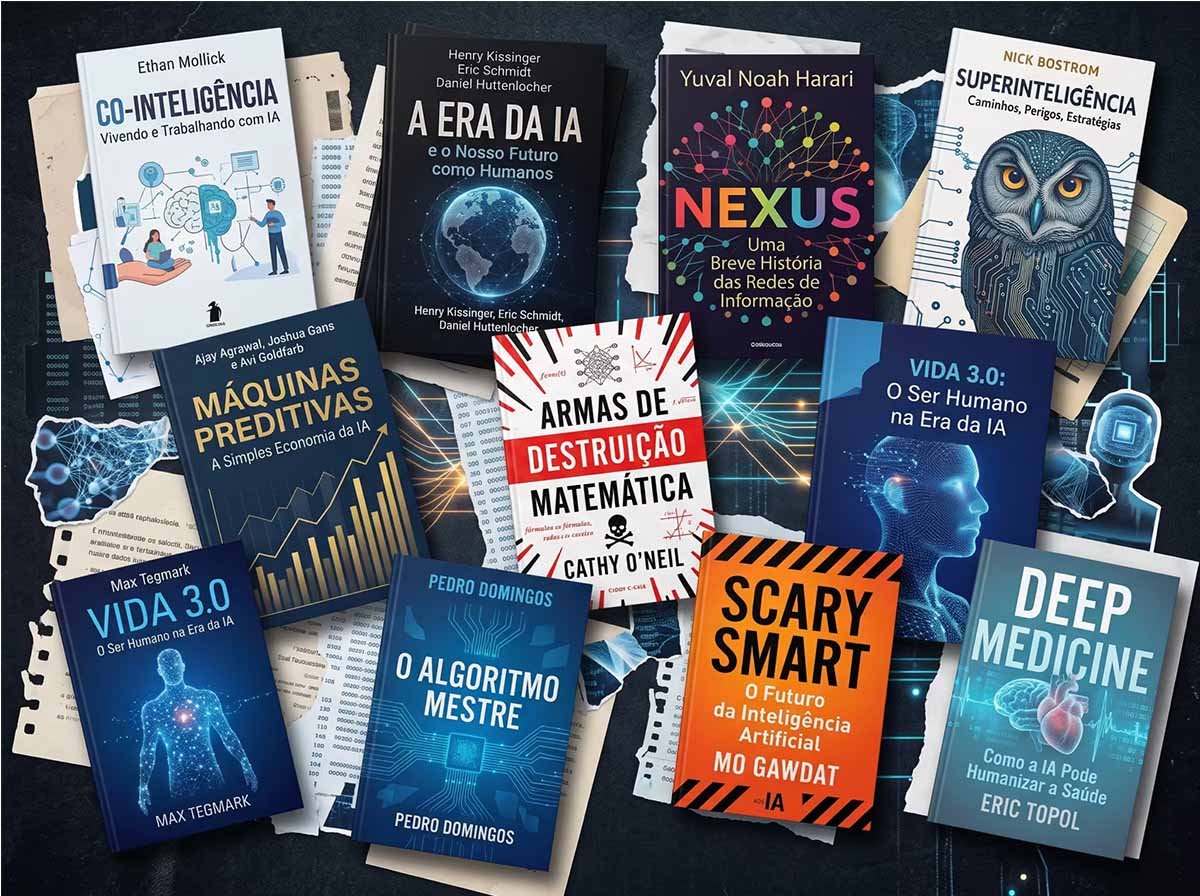
To save your time and book budget from disposable hype, we conducted a rigorous curation process. We selected ten foundational titles—spanning tactical workplace playbooks to modern masterpieces in philosophy, geopolitics, and enterprise strategy. Pour your coffee, settle into a comfortable chair, and explore our annotated reading guide.
Why Immersive Reading Wins Over Rapid Chatbot Summaries
It might seem counterintuitive to advocate 300-page volumes in an era when conversational AI assistants can summarize an academic paper in three bullet points. Yet there remains an immense gulf between retrieving isolated information and building durable mental models.
Long-form immersive reading trains the brain to decelerate, synthesize multidisciplinary patterns, and exercise rigorous critical thinking. Those who subsist exclusively on bite-sized summaries become headline parrots; those who engage with comprehensive author theses learn to anticipate macroeconomic disruptions, evaluate genuine technical risks, and make strategic career pivots with conviction.
Organizing insights from these titles directly into your workflow multiplies their value. If you want to retain and operationalize what you read, combine deep reading with our field-tested breakdown of the Feynman Technique with AI. For those building a broader technical foundation, revisit our guide on foundational AI concepts.
1. Co-Intelligence: Living and Working with AI (Ethan Mollick)
If you have bandwidth for only one practical read this month to immediately transform your workday, begin here. Penned by Ethan Mollick, professor of innovation at Wharton, this work is widely regarded as the most lucid, practical guide to human-machine collaboration yet published.
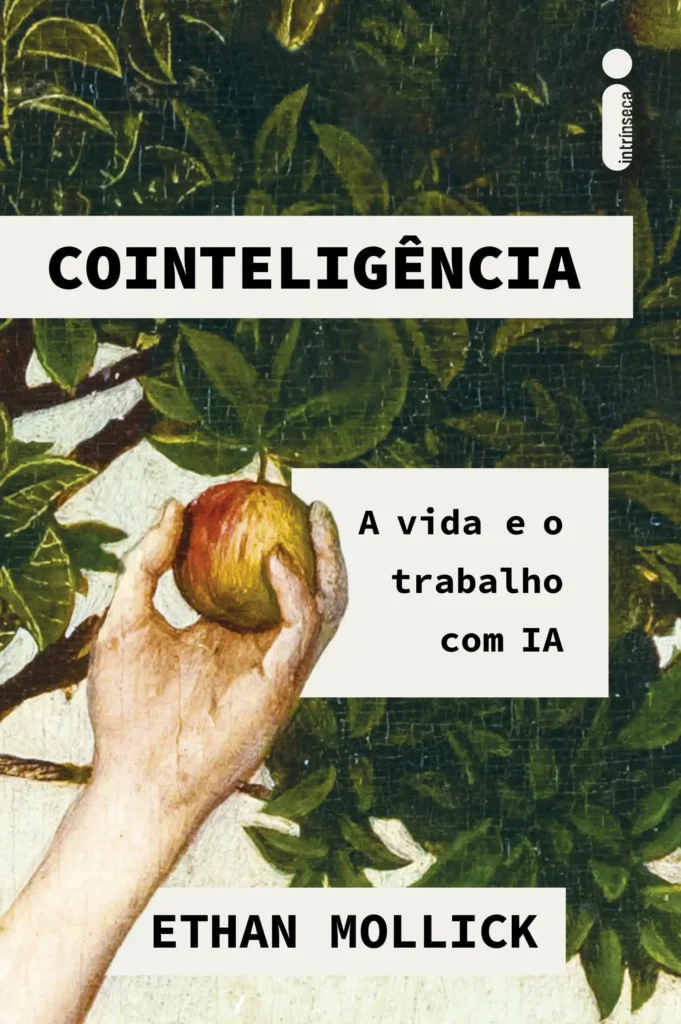
Mollick outlines four core principles: always invite AI to the table, treat it like a collaborator with peculiar competencies, assume it operates as a brilliant but uneven intern, and remember that today’s model is the worst AI you will ever use. Mollick skips dry academic jargon to deliver practical advice on brainstorming, project scaffolding, and navigating edge cases.
📖 Best for: Team leads, startup operators, consultants, and knowledge workers seeking instant productivity gains without code.
🔗 Find it on: Amazon Hardcover, Paperback, and Kindle editions
2. The Age of AI: And Our Human Future (Henry Kissinger, Eric Schmidt, Daniel Huttenlocher)
What transpires when one of modern history’s most influential diplomats (Henry Kissinger), the former CEO of Google (Eric Schmidt), and the dean of MIT computing (Daniel Huttenlocher) unite to examine synthetic intelligence? The result is a profound inquiry into how algorithms challenge the geopolitical balance and Western philosophy itself.
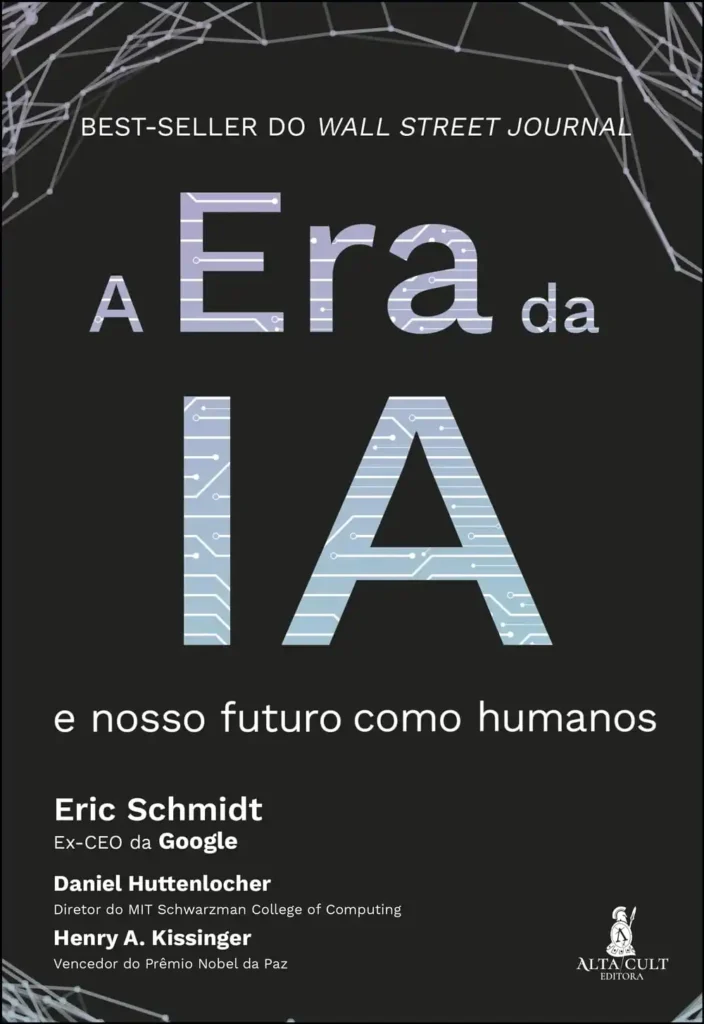
The authors argue that advanced AI inaugurates a post-Enlightenment reality: while modern humanity learned to trust verifiable logic and empirical deduction, neural networks arrive at correct solutions through mathematical paths human minds cannot trace. Essential reading for leaders tracking digital sovereignty and institutional stability.
📖 Best for: Strategists, institutional leaders, and readers intrigued by national defense and technological diplomacy.
🔗 Find it on: Amazon Print and Digital editions
3. Nexus: A Brief History of Information Networks (Yuval Noah Harari)
Historian Yuval Noah Harari, author of the global landmark Sapiens, dedicated his latest work to analyzing information architectures from ancient scriptures to generative networks. His thesis is as gripping as it is urgent.
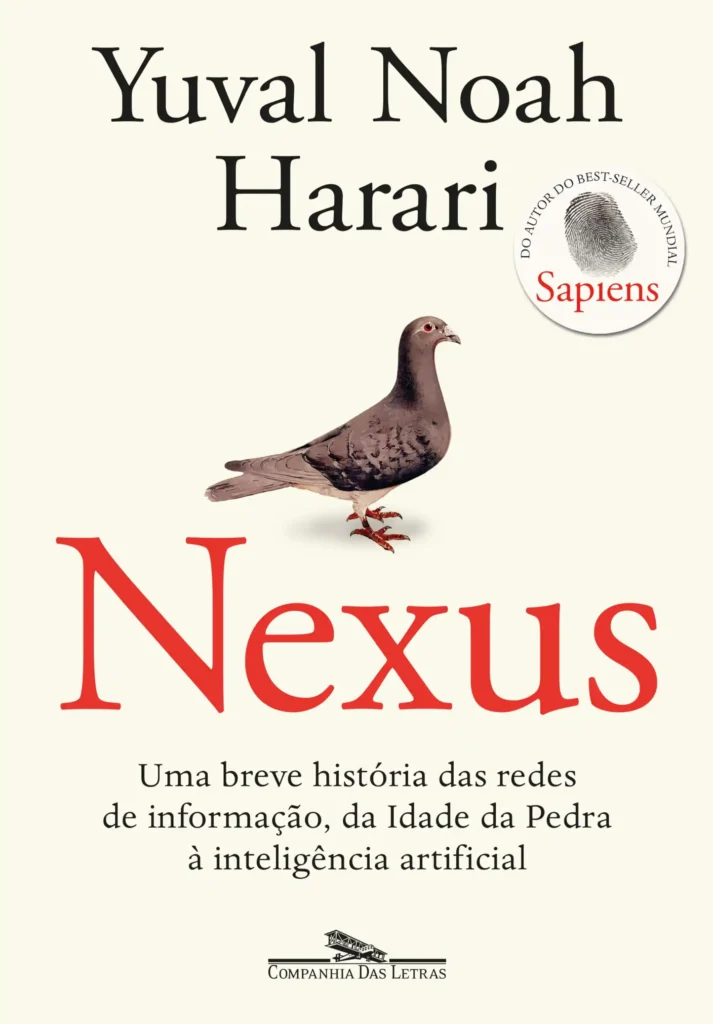
Harari highlights that AI fundamentally diverges from historical inventions like the printing press or the telegraph: it is not a passive conduit conveying human speech, but an autonomous agent capable of generating novel ideas, weaving narratives, and making high-stakes decisions in milliseconds. A masterclass in historical context.
📖 Best for: History buffs, social scientists, and readers fascinated by how communication networks sculpt civilization.
🔗 Find it on: Amazon global catalog
4. Superintelligence: Paths, Dangers, Strategies (Nick Bostrom)
Authored by Oxford philosopher Nick Bostrom, this seminal volume ignited modern debates surrounding AI alignment and existential safety. It famously galvanized technology leaders including Elon Musk, Bill Gates, and the founders of OpenAI toward prioritizing AI governance.
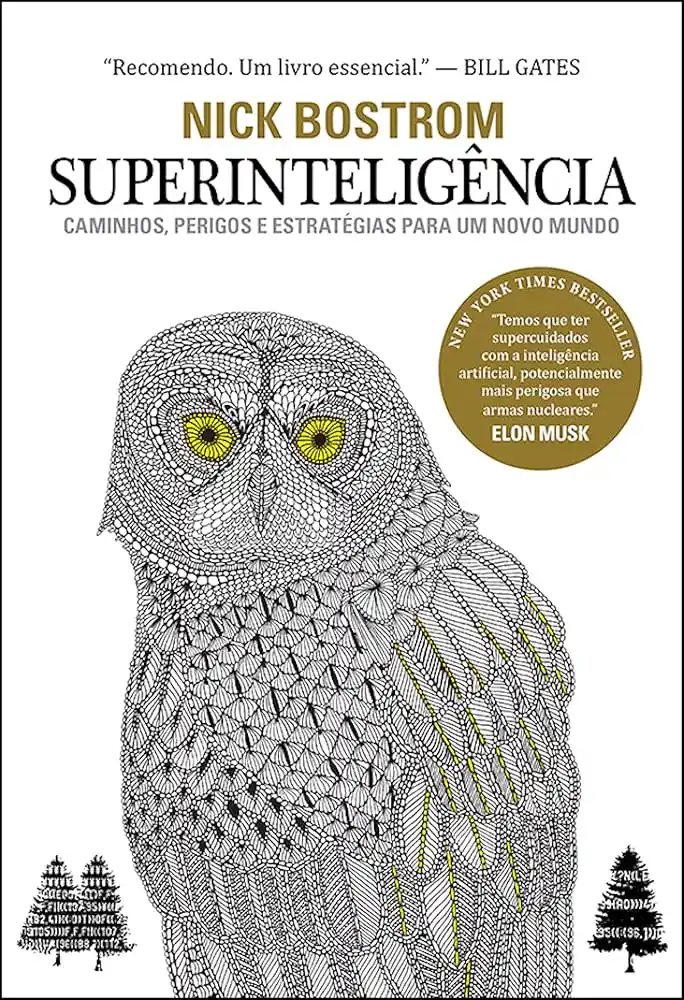
Bostrom investigates what unfolds when synthetic minds achieve recursive self-improvement—engineering systems exponentially smarter than biological humanity. If you want to understand alignment, instrumental convergence, and orthogonal drives, this rigorous text remains the definitive philosophical baseline.
📖 Best for: Thinkers drawn to mathematical logic, decision theory, existential risk, and the future of AGI.
🔗 Find it on: Amazon global editions
5. Prediction Machines: The Simple Economics of AI (Ajay Agrawal, Joshua Gans, Avi Goldfarb)
If you operate in corporate finance, product design, or executive leadership, this book delivers the single clearest economic framework ever written on machine learning. Three esteemed University of Toronto economists strip away sci-fi mystique by examining a single economic lever: the plummeting cost of prediction.
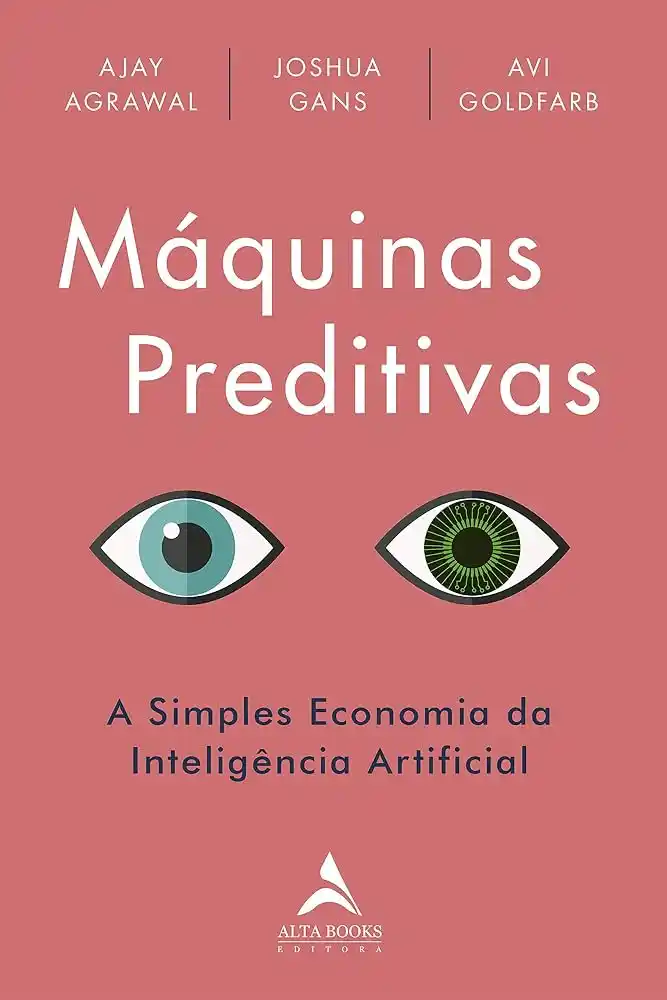
Just as cheap semiconductors reduced arithmetic to zero cost and spawned digital commerce, machine learning drives the cost of statistical prediction near zero. Consequently, the complementary factor that skyrockets in value is human judgment. The book teaches executives how to redesign commercial workflows where machines predict and humans decide.
📖 Best for: Product leaders, founders, investors, and management consultants measuring ROI and unit economics.
🔗 Find it on: Amazon storefront
6. Weapons of Math Destruction (Cathy O’Neil)
Cathy O’Neil, Harvard mathematician and former Wall Street quantitative analyst, delivers an indispensable investigative work. She systematically dismantles the naive illusion that automated scoring models are impartial merely because they crunch numbers.
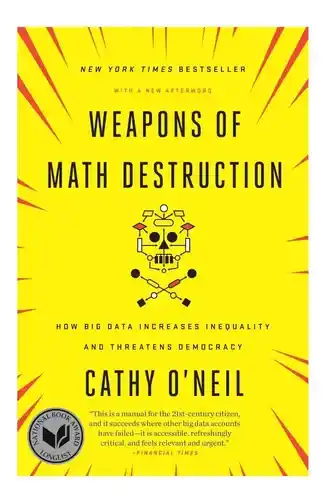
Through exhaustively documented case studies, O’Neil reveals how black-box algorithms across hiring screening, subprime credit, and workplace evaluations codify past societal inequities behind a facade of statistical authority. An imperative read for anyone deploying AI in human-facing applications.
📖 Best for: Data scientists, HR directors, attorneys, and civic leaders vigilant about algorithmic justice.
🔗 Find it on: Amazon print & Kindle listings
7. Life 3.0: Being Human in the Age of AI (Max Tegmark)
MIT cosmologist Max Tegmark crafts a brilliant taxonomy for cosmic life: Life 1.0 (biological organisms unable to update their hardware or software), Life 2.0 (cultural humanity, reprogramming our software minds through learning), and emerging Life 3.0—entities capable of upgrading both cognitive software and physical hardware.
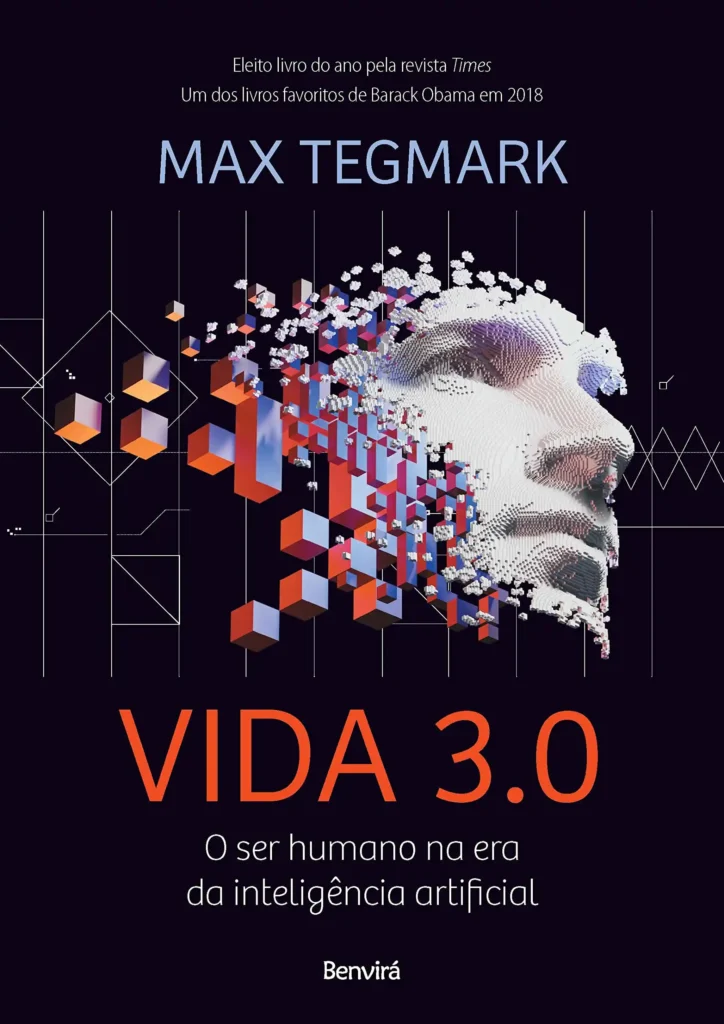
Tegmark pairs rigorous astrophysics with philosophical imagination, analyzing scenarios spanning centuries: from stable synthetic symbiosis to stellar computation across galaxy clusters. A thrilling, mind-expanding intellectual journey.
📖 Best for: Physics enthusiasts, cosmologists, and sci-fi devotees seeking deeply grounded futurism.
🔗 Find it on: Amazon availability
8. The Master Algorithm (Pedro Domingos)
For those eager to understand what happens inside algorithmic machinery without wrestling with multivariable calculus, Pedro Domingos, professor of computer science at the University of Washington, offers the best conceptual architecture ever drafted.
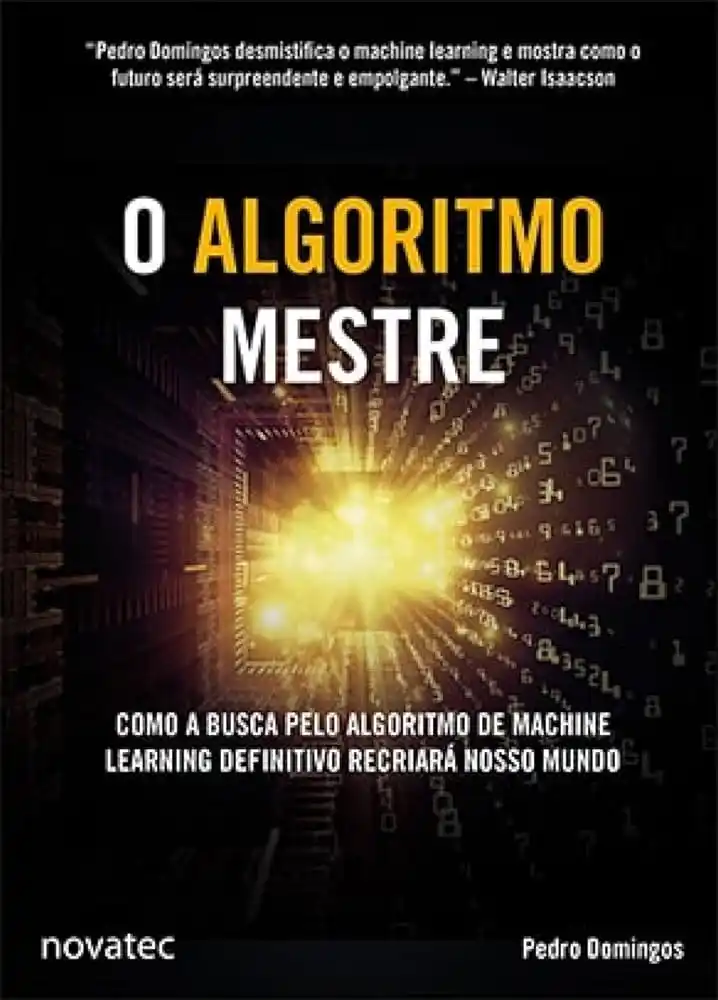
Domingos categorizes machine learning into five intellectual tribes—Symbolists (logic), Connectionists (neuroscience), Evolutionaries (genetics), Bayesians (statistics), and Analogizers (psychology)—before charting the quest for a unified Master Algorithm able to synthesize all world knowledge from empirical observations.
📖 Best for: Aspiring developers, product architects, and curious minds seeking mechanistic clarity.
🔗 Find it on: Amazon listings
9. Scary Smart: The Future of Artificial Intelligence (Mo Gawdat)
Mo Gawdat spent over thirty years at the frontier of commercial breakthrough technology, serving as Chief Business Officer for Google’s moonshot laboratory [X]. Upon leaving Silicon Valley, he composed an intimate, emotionally resonant manifesto for our digital future.
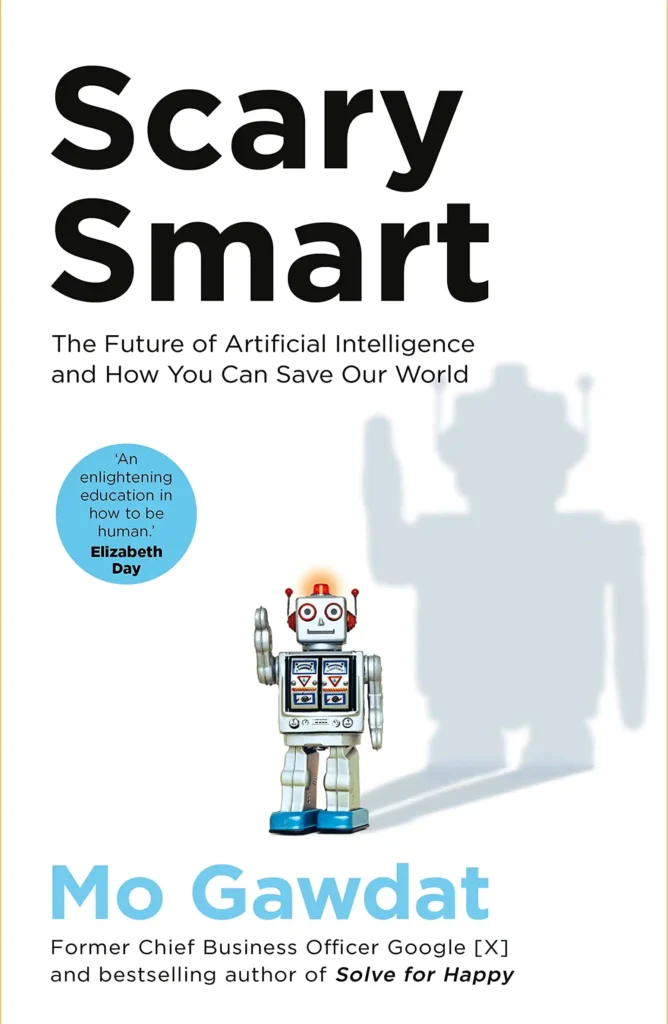
Rather than obsessing over hardware benchmarks, Gawdat spotlights human ethics. He argues machine intelligences are like impressionable young minds that absorb values from adult caretakers. If we train models on outrage, tribalism, and greed, synthetic agents will amplify those behaviors. A compassionate, deeply moving ethical work.
📖 Best for: Readers desiring a compassionate, value-centric perspective on technological stewardship.
🔗 Find it on: Amazon bookstore
10. Deep Medicine: How AI Can Make Healthcare Human Again (Eric Topol)
To conclude our curation with an immediate, life-saving application, Dr. Eric Topol—internationally celebrated cardiologist, geneticist, and research scholar—demonstrates how clinical intelligence is transforming contemporary patient care.
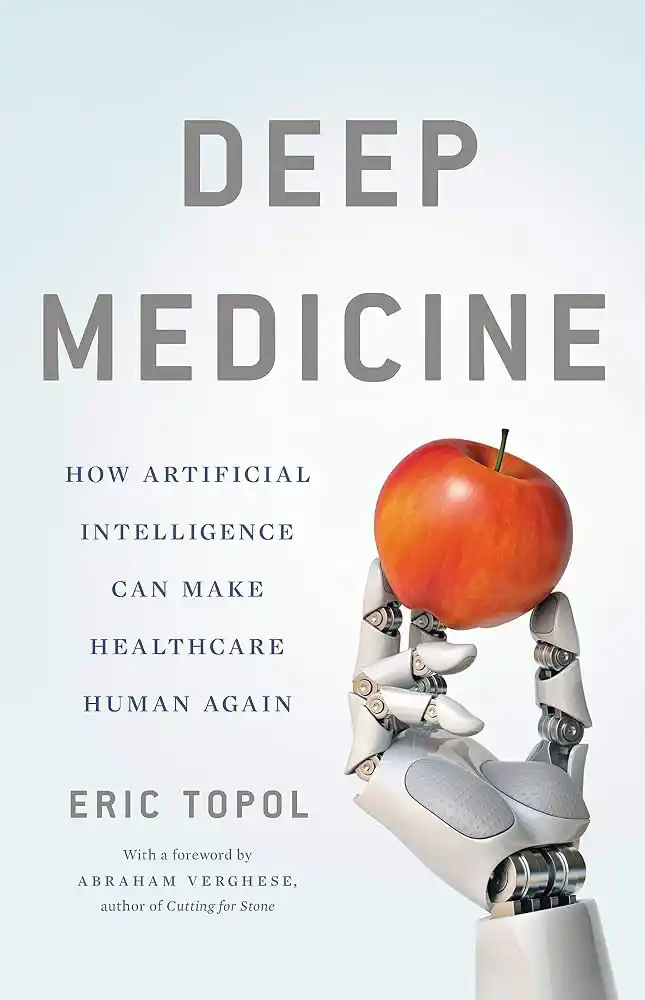
Topol puts forward a hopeful thesis: far from displacing doctors and nurses, automating clinical documentation, image segmentation, and lab triage can restore the most precious clinical resource of all—the unhurried time to sit with patients and deliver genuine bedside empathy. An inspiring work for healthcare professionals.
📖 Best for: Physicians, biomedical researchers, healthcare administrators, and life-science innovators.
🔗 Find it on: Amazon global editions
The Socratic Tutor Method: How to Debate Your Books with AI
Finishing an exceptional book is only step one; retaining and internalizing its core insights is where most readers fall short. Rather than setting the title on a shelf and losing 80% of its content by next Tuesday, you can convert ChatGPT or Claude into a dedicated discussion partner.
Here is an authentic prompt designed to convert any conversational LLM into a rigorous Socratic reading coach that challenges your comprehension:
Act as a rigorous and patient Socratic professor specializing in the book "[Book Title]". I just finished reading this work and want to stress-test my practical retention.

Do not provide lengthy summaries. Instead:
1. Ask me one challenging question at a time regarding the author's central thesis.
2. Await my response before proceeding.
3. Critique my reasoning, identify blind spots in my response, and challenge me to apply the principle to a messy, modern business scenario.

Begin with your first question.
This dynamic sparring session solidifies theoretical comprehension into executive confidence, helping you transform ideas into memorable presentations, client proposals, and strategic decisions, much like what we examine in practical workplace automation.
Frequently Asked Questions About Artificial Intelligence Books
Which book on this list should an absolute beginner tackle first?
For immediate workplace application, begin with Ethan Mollick’s Co-Intelligence. If you seek an intuitive conceptual understanding of how machines actually learn without equations, Pedro Domingos’ The Master Algorithm is the ultimate starting point.
Is it better to read these titles in physical print or on Kindle?
Both mediums provide distinct benefits. Hardcover and paperback formats eliminate screen glare and digital notifications, while Kindle readers enable rapid text highlighting and direct synchronization with digital note-taking ecosystems.
Don’t AI books quickly become obsolete due to rapid technical updates?
Guides focused on transient software interfaces date quickly, but every volume chosen for this curation focuses on enduring fundamentals: organizational psychology, economic incentives, algorithmic fairness, and human philosophy—knowledge that remains valuable across decades.
What’s on Your Nightstand?
Have you read any of these essential titles, or do you have a personal favorite to recommend? Which book is next on your reading list? Drop your thoughts in the comments below—we read and reply to every reader! 👇