
If you have ever experimented with cinematic ai prompts by typing “a detective walking down a dark street in the rain, photorealistic 8k” into Midjourney, Flux, or Stable Diffusion, you were probably disappointed by the result. The image looked clean, but it felt flat, plastic, and unmistakably artificial. Why?
Because artificial intelligence image generators do not think in vague marketing buzzwords like “hyper-detailed” or “ultra-realistic”. Image models are trained on millions of real photographic and film still archives. To unlock breathtaking, emotionally resonant visuals, you must speak the technical vocabulary of cinema: camera lenses, focal lengths, lighting setups, color grading palettes, and optical composition.
This master guide curates 100 cinematic AI prompts and directorial terms that will instantly transform amateur generations into Hollywood-grade visual storytelling.
Camera Lenses, Focal Lengths, and Shot Angles
The choice of lens dictates perspective distortion, depth of field, and psychological distance between the viewer and the subject:
- Anamorphic 35mm Lens: Creates widescreen 2.39:1 aspect ratio compression with characteristic horizontal blue streak lens flares and oval bokeh. Perfect for sci-fi and cyberpunk aesthetics.
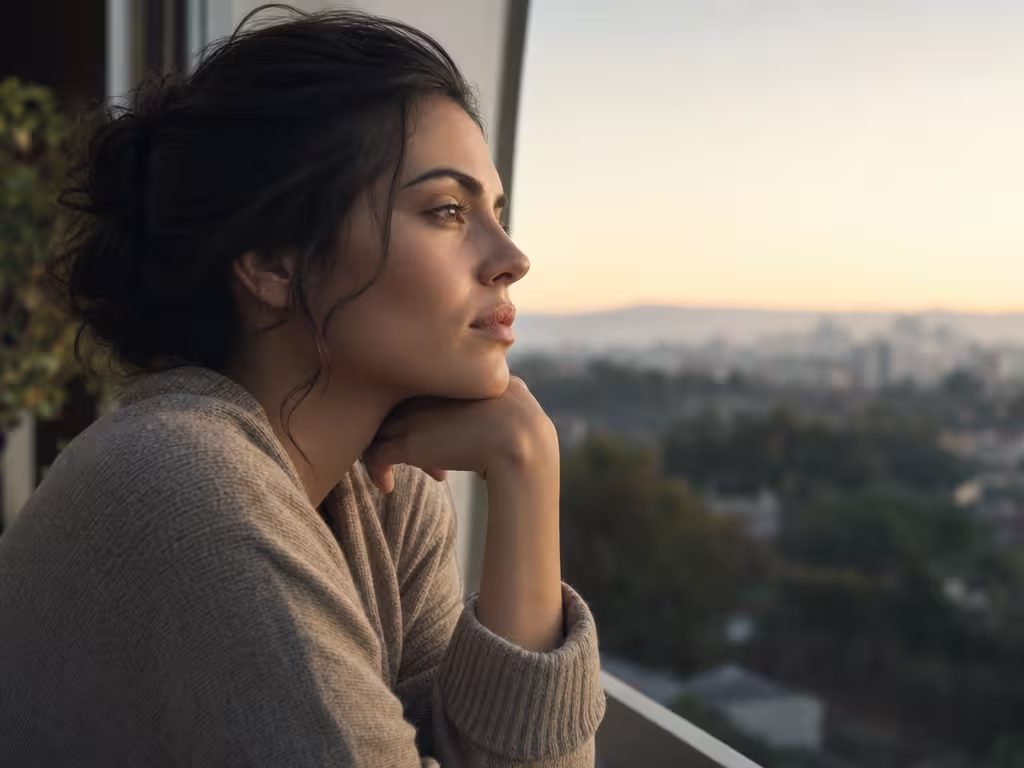
- 85mm f/1.4 Portrait Prime: The undisputed champion of shallow depth of field. Renders razor-sharp facial details while melting the background into velvety, creamy blur.
- 24mm Ultra-Wide Angle Shot: Expands physical space, emphasizing dramatic perspective lines and architectural grandeur. Ideal for vast landscapes and epic temple interiors.
- Low-Angle Hero Shot (Worm’s-Eye View): The camera looks up from ground level, making the protagonist appear towering, authoritative, and formidable.
- High-Angle Dutch Angle (Canted Framing): Tilts the horizon line 15 degrees, signaling psychological disorientation, danger, or imminent madness.
- Extreme Close-Up (Macro Detail): Crops tightly on moist human irises, mechanical watch gears, or glowing microchips, conveying intense intimacy or claustrophobia.
Cinematic Lighting: Sculpting Mood and Atmosphere
Lighting is 90% of cinema. Without deliberate shadow and contrast, a digital scene feels like a video game screenshot. Incorporate these lighting directives into your prompts:
- Chiaroscuro & Low-Key Lighting: Deep, velvety shadows punctured by sharp beams of high-contrast directional light, popularized by Caravaggio and classic Film Noir.
- Volumetric Light Beams (God Rays): Visible shafts of atmospheric sunlight cutting through dusty cathedral air, morning forest mist, or dense steam vents.
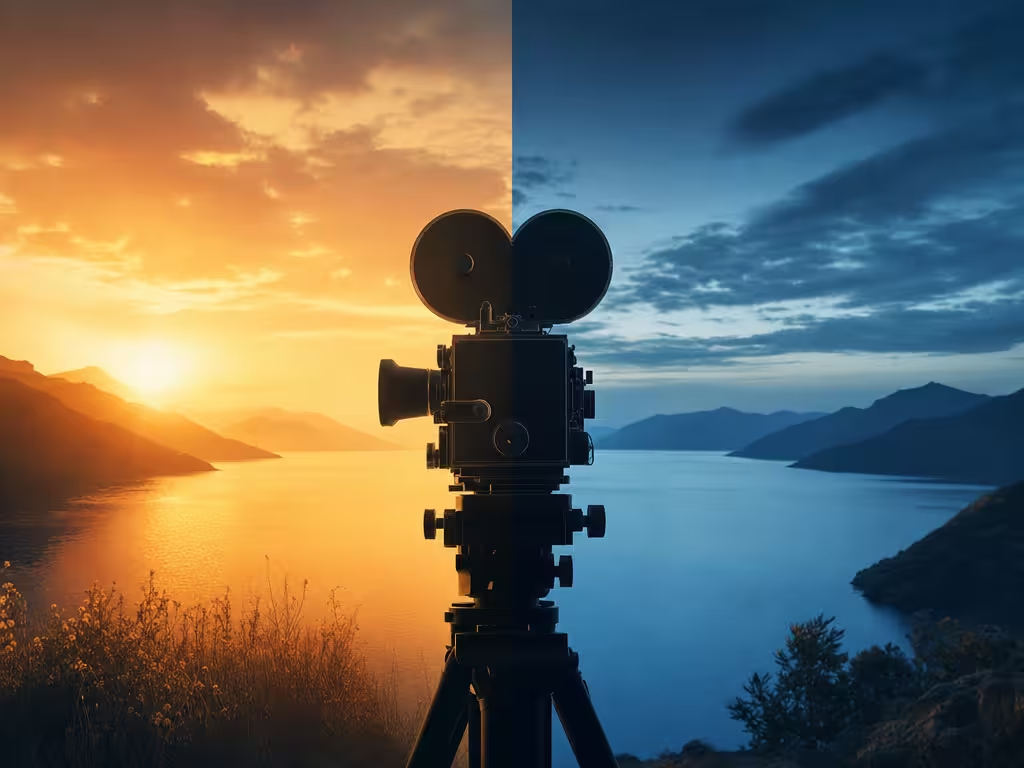
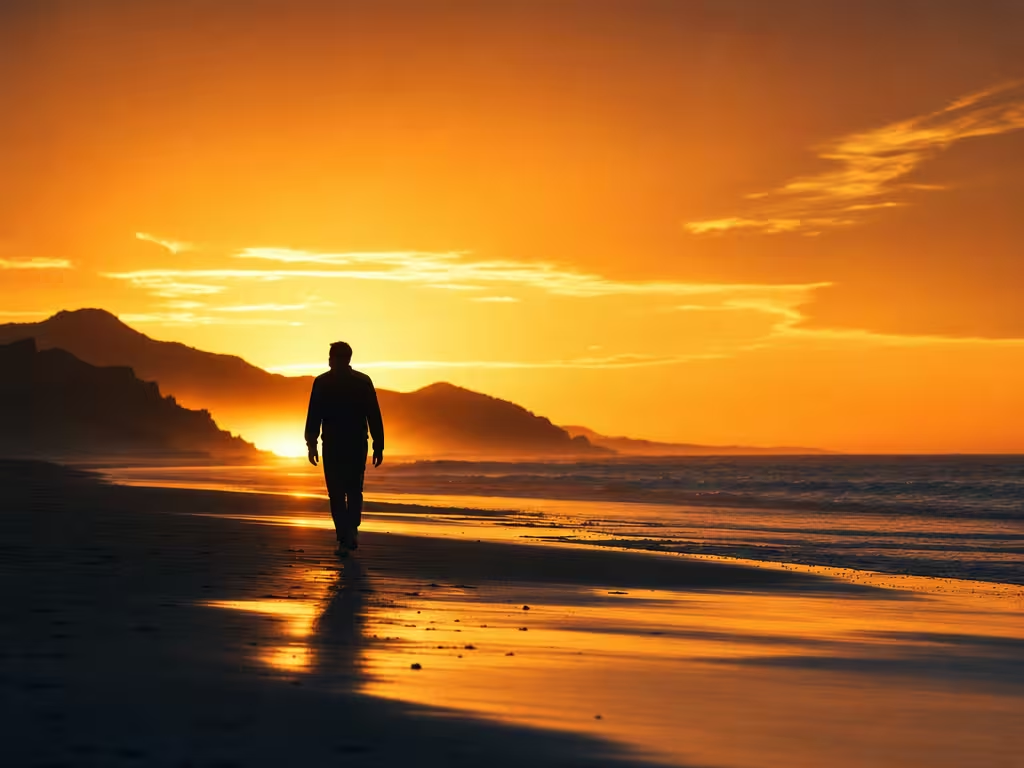
- Golden Hour Rim Lighting: Warm amber backlight grazing the subject’s silhouette 30 minutes before sunset, creating glowing hair fringes and rich contrast.
- Rembrandt Lighting: The signature classical portrait setup featuring a delicate illuminated triangle of soft light on the shadowed cheek.
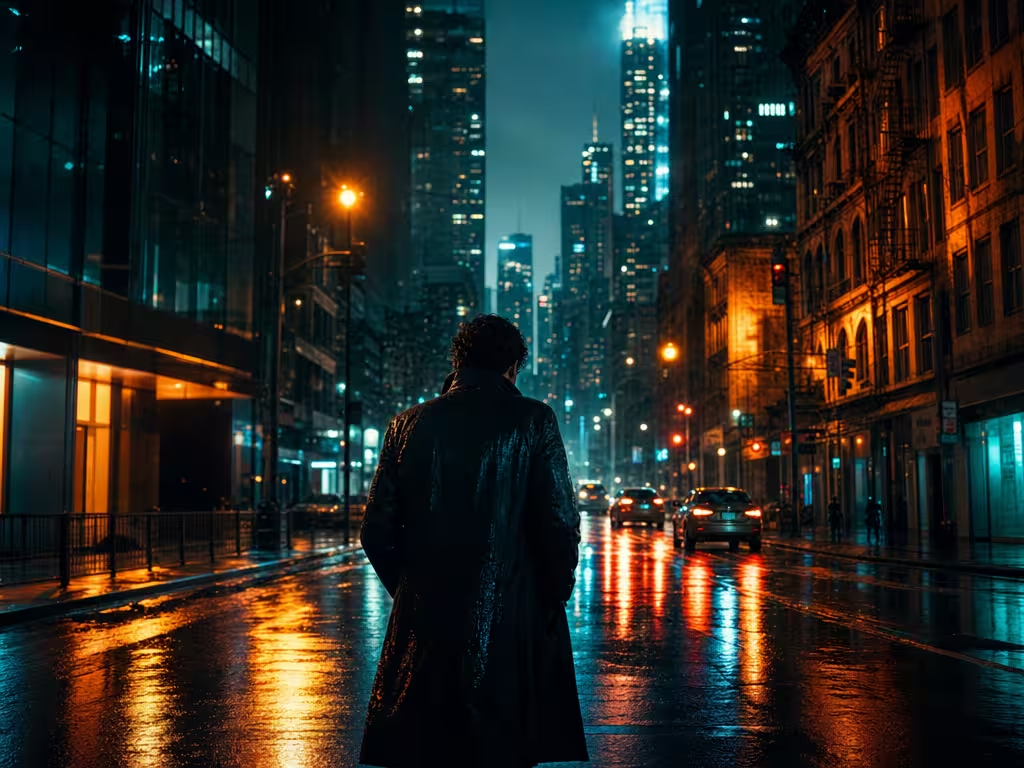
- Bioluminescent Cyberpunk Neon: Dual-tone split lighting combining vivid electric cyan key light with saturated magenta or amber fill light.
- Diffused Overcast Softbox: Soft, shadowless pearl illumination from a cloudy gray sky, creating muted, moody Scandinavian drama.
Color Grading Palettes and Film Stock Emulation
Specifying historical film stocks and professional color grading LUTs immediately shifts color chemistry away from sterile digital balance toward organic film grain:
- Kodak Vision3 500T (5219): The industry-standard 35mm Hollywood motion picture stock. Delivers warm skin tones, gentle shadow rolloff, and rich tungsten halation around highlights.
- Fujifilm Superia 400: Characterized by distinct emerald greens, cool pastel shadows, and nostalgic 1990s indie cinema grain.
- Teal and Orange Blockbuster Grade: Pushes human skin tones into saturated warm amber while complementary shadows cool into rich ocean teal.
- Bleach Bypass (Silver Retention): Creates washed-out, desaturated hues with brutal, inky contrast, famously utilized in Saving Private Ryan and Se7en.
The Master Formula for Cinematic AI Prompts: Step-by-Step Stills
When assembling your next visual generation, follow this battle-tested architectural syntax:
[Subject & Emotional Action] + [Camera Lens & Framing] + [Lighting Scheme & Atmosphere] + [Color Grade & Film Stock] + [Directorial Style Reference] --ar 16:9 --v 6.1Example Prompt:
Cinematic movie still of a weary cybernetic detective smoking on a rainy Tokyo balcony at midnight, low-angle medium shot, 35mm anamorphic lens with subtle horizontal blue flare, volumetric steam rising from street vents, neon cyan and deep amber chiaroscuro lighting, shot on 35mm Kodak Vision3 500T, organic film grain, directed by Ridley Scott --ar 16:9 --style rawFor styling specific visual themes, check our guide on creating GTA-style AI images.
For classic cinematography references, review the American Society of Cinematographers technical resources.
To take your practical workflow further, explore our hands-on guide on complete beginner guide to writing prompts for AI images.
Frequently Asked Questions
Why do words like “4K, 8K, Photorealistic” hurt AI prompt quality?
Modern diffusion models associate “8k wallpaper” and “photorealistic” with digital art aggregator tags (like ArtStation 3D models), often yielding smooth, plastic textures. Using concrete technical terms like “35mm lens, f/1.8, Kodak film stock” steers the model toward real archival film stills.
What is the best aspect ratio for cinematic AI stills?
Use –ar 16:9 for modern digital widescreen or –ar 2.39:1 (or 21:9) for authentic theatrical anamorphic letterbox framing.
💬 Direct Your Own Visual Masterpiece
Which cinematic aesthetic is your go-to: moody Film Noir chiaroscuro, golden-hour anamorphic warmth, or futuristic cyberpunk neon? Test out these prompts and share your visual creations in the comments below! 👇